SSCM 2023: Investing in culture is the key to a future of innovation
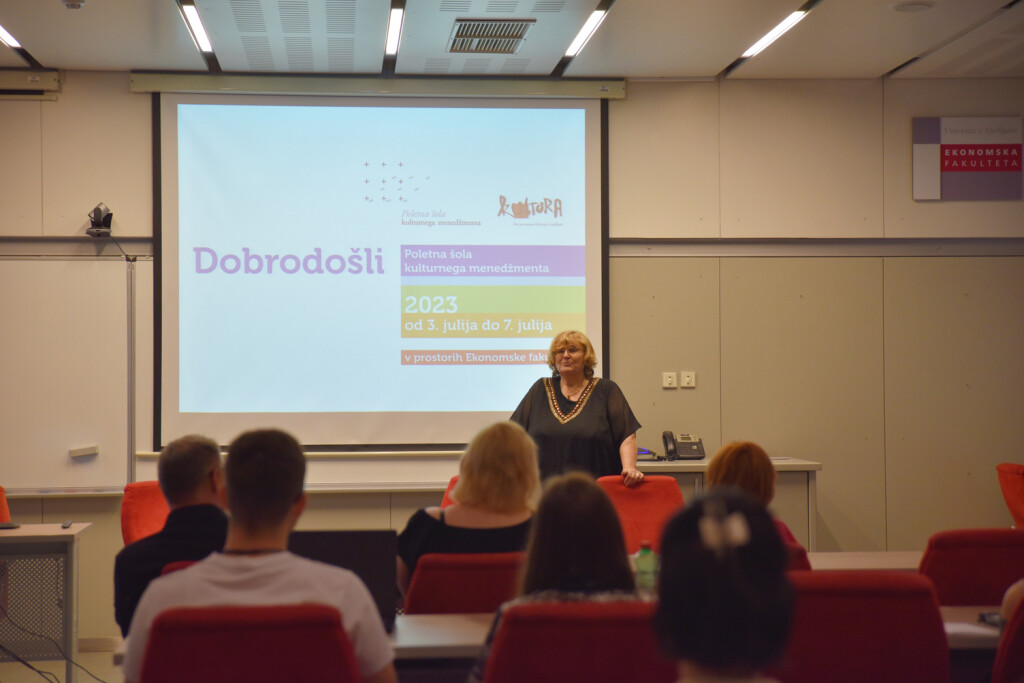
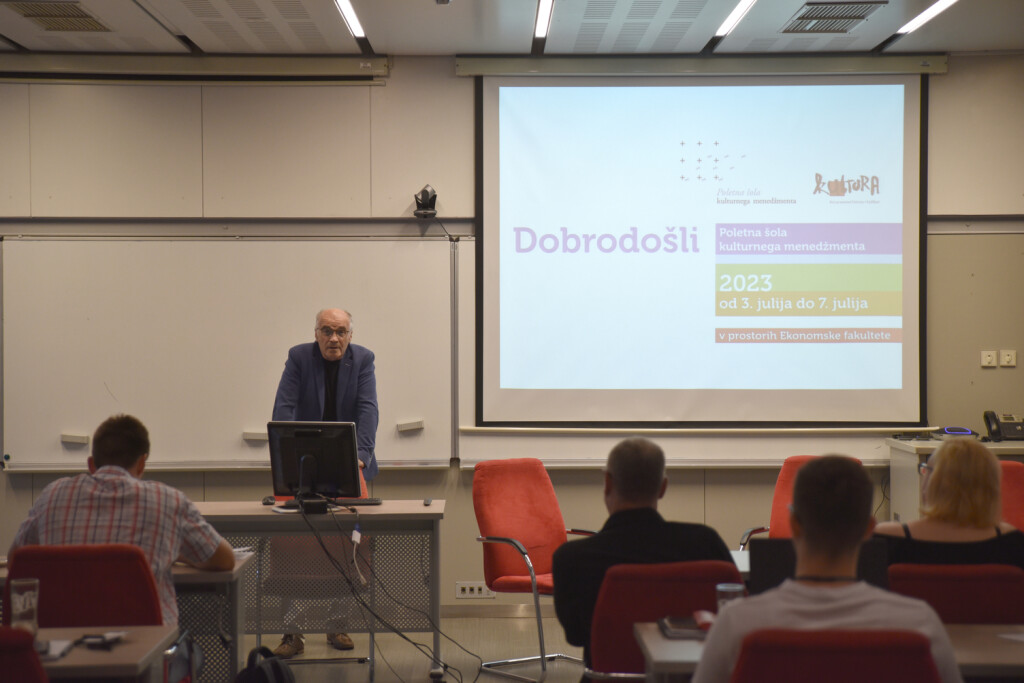
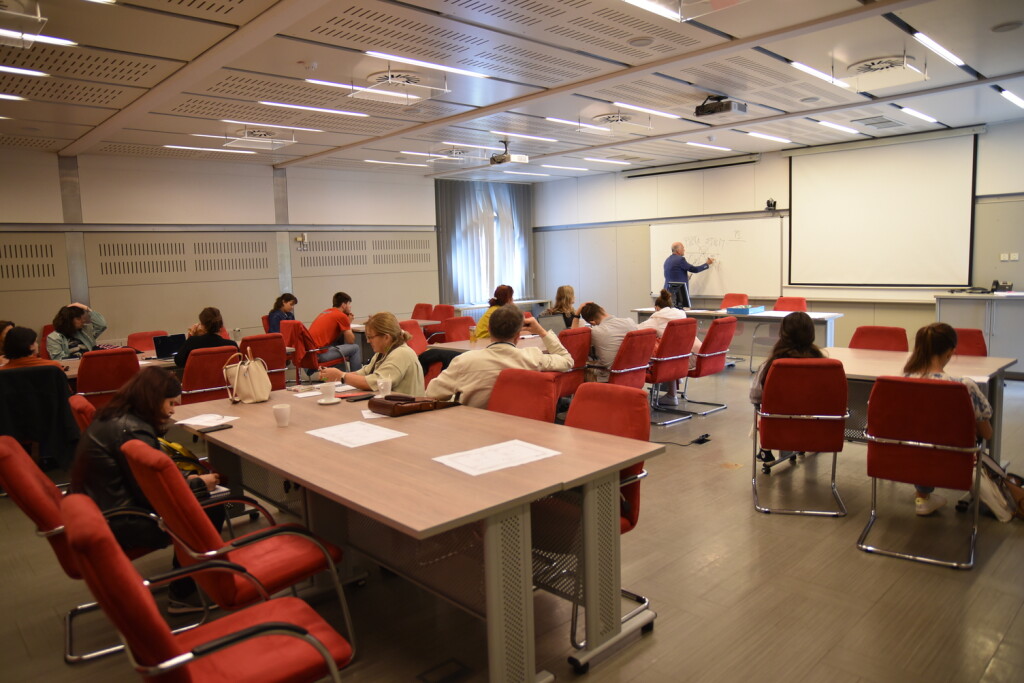
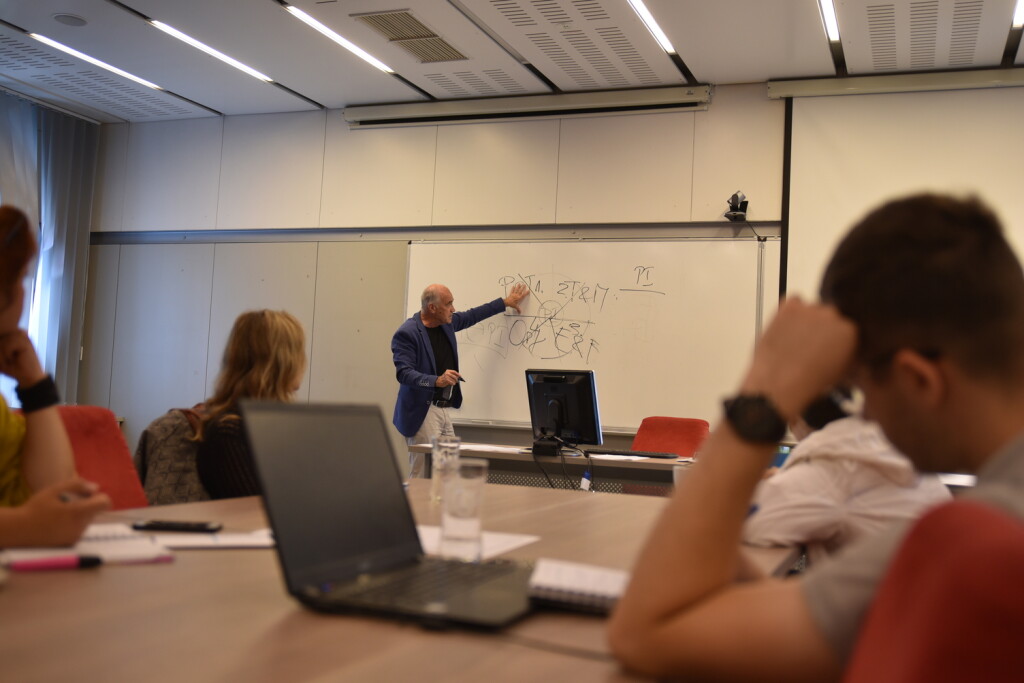
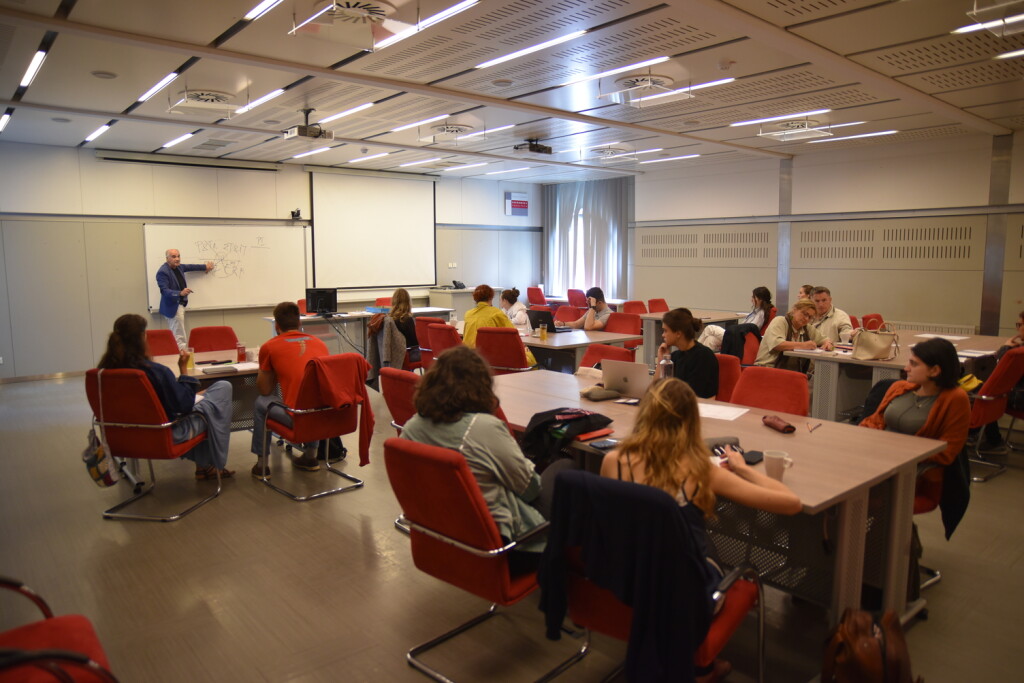
The ninth edition of the Summer School of Cultural Management (SSCM) will once again offer a five-day educational programme combining art, culture, entrepreneurship and management. Training will take the form of lectures, panel discussions and full-day workshops, with an emphasis on teamwork. The main goal of this year’s Summer School for Cultural Management is to foster a culture of collaboration among participants, stimulate their creativity, and develop entrepreneurial skills in the cultural sector. The central theme of this year’s event is “Cultural Policy and Youth: Creating Conditions for Creative and Entrepreneurial Engagement in the Cultural Sector”.
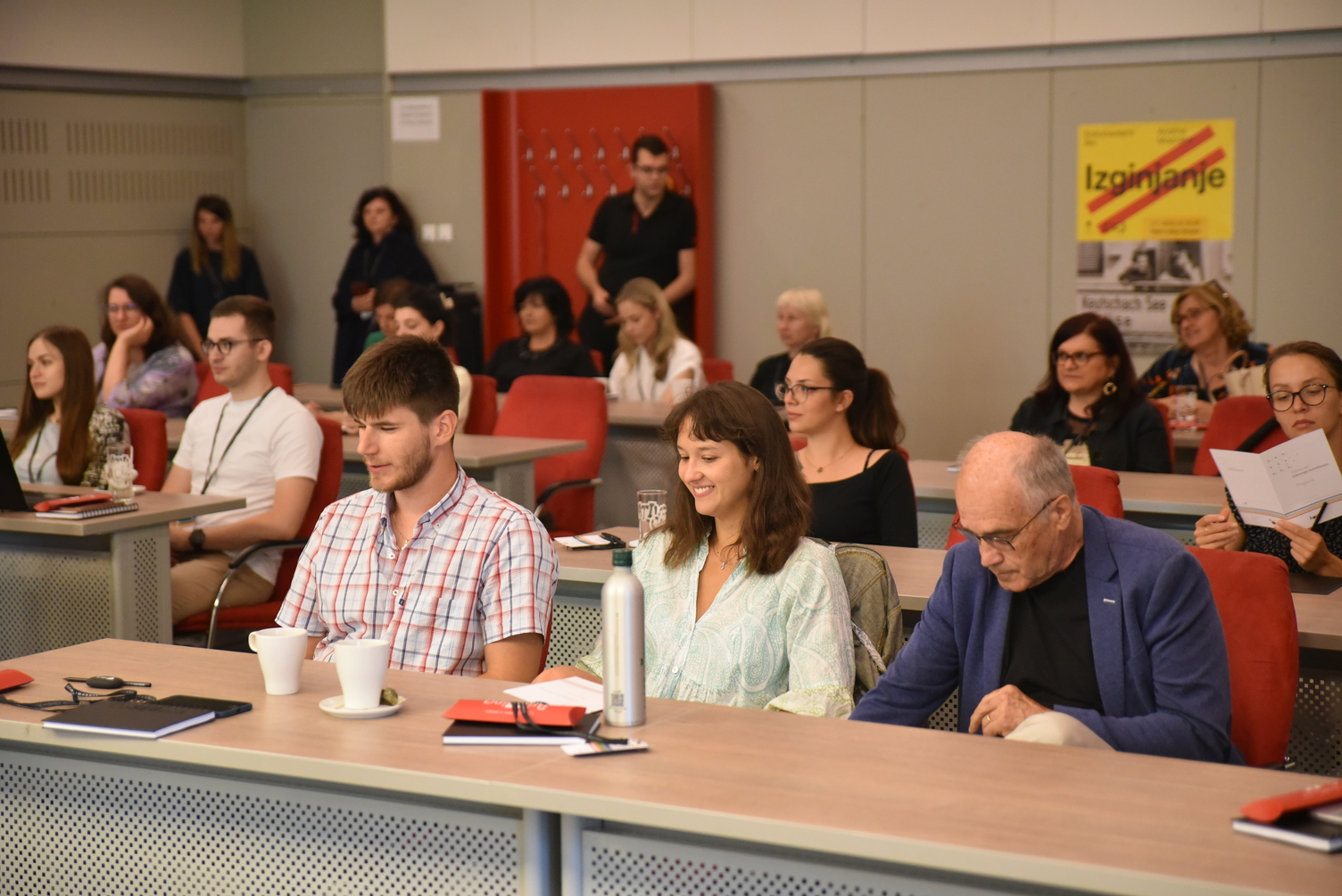
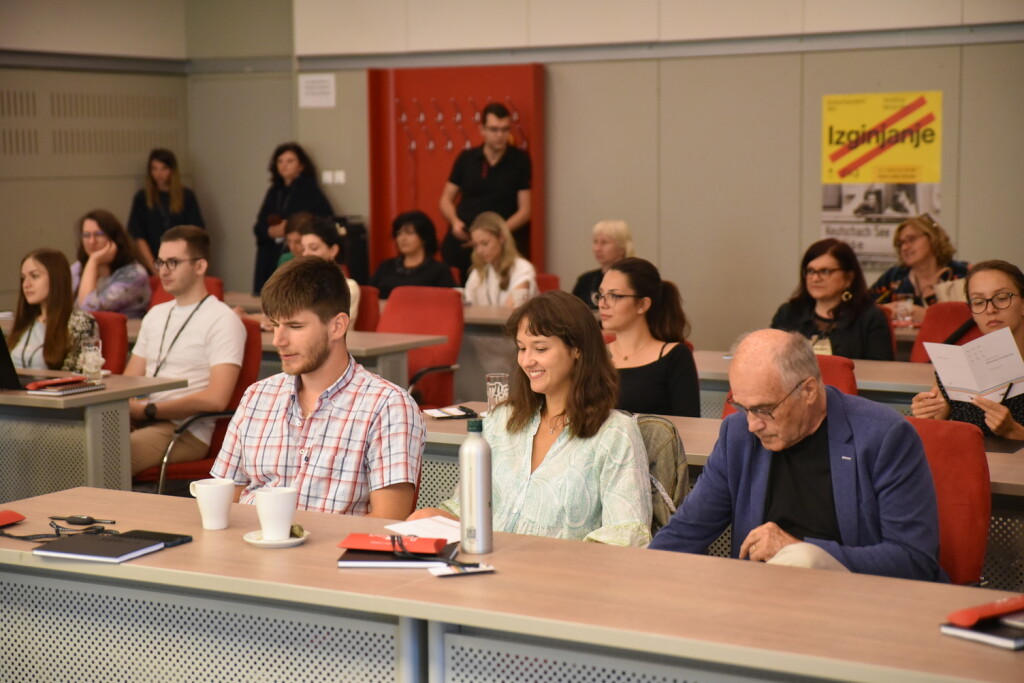
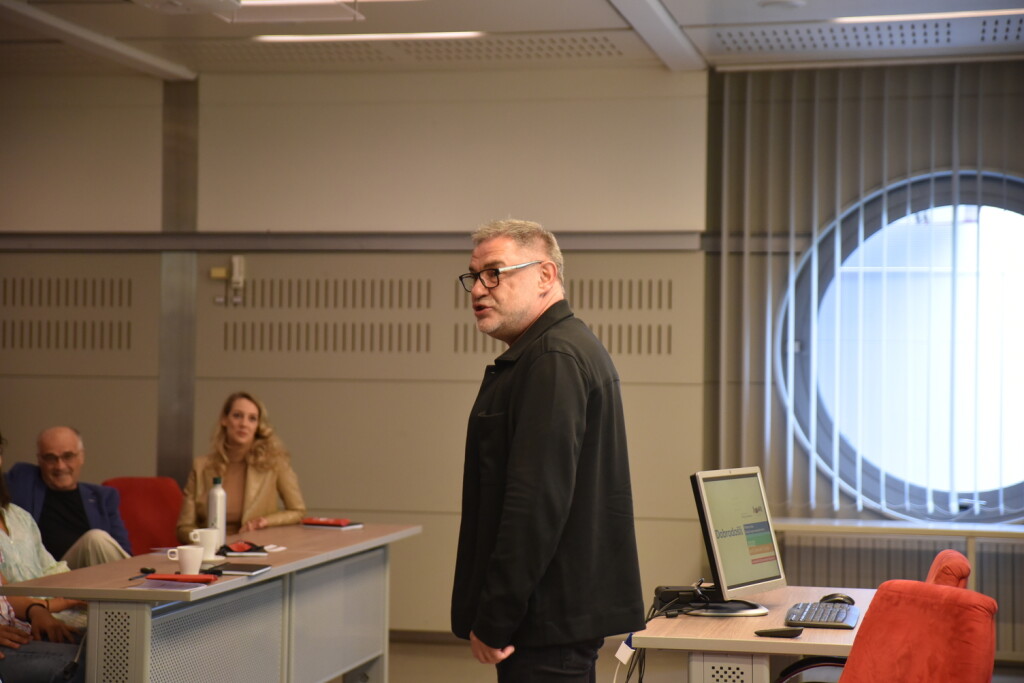
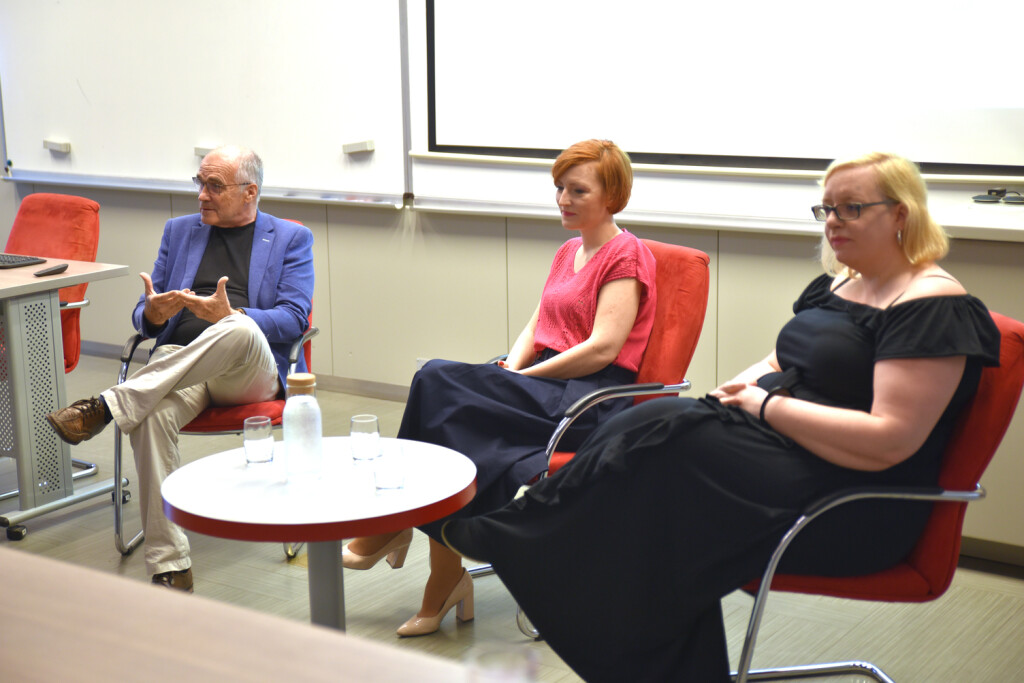
Today, an important roundtable was held at the School of Economics and Business with the participation of key participants from the cultural and political sectors. Among them were the Minister of Culture, Assist. Prof. Dr Asta Vrečko, the representative of the Directorate for the Development of Cultural Policy, Tjaša Pureber, BSc.Polit., and Prof. Dr Bogomir Kovač from the School of Economics and Business. In the course of the two-hour debate, numerous important issues were addressed.
The Minister of Culture emphasised that “creative cultural activities and art are essential components of the European paradigm of sustainability, as art offers attractive sustainable solutions. However, we are facing a significant generational shift that requires us to adapt our practices to new interests and tools such as digitalisation and artificial intelligence”.
Director Pureber added that “culture creates an inclusive living environment, as its projects generate experiences that enrich our lives. However, the close connection between culture and other sectors is often overlooked“. The government is committed to developing a model in Slovenia that includes all parts of society and is based on dialogue between government representatives, artists, cultural institutions, non-governmental organisations and the broad interested public. Prof. Dr Kovač emphasised that “creativity and critical thinking are the qualities we miss most in our society. However, these elements can only flourish if the state provides stability and security to those who choose to work in the cultural sector. It is time to stop unnecessary interference in legislation, which should be clear, robust and universally acceptable. It is crucial to establish clear strategies that allow time for development, and to restore priority to culture in a world where profit is paramount”.
Finally, I would like to welcome all the participants of the Summer School of Cultural Management! I wish you an enjoyable and informative educational experience that will enable you to apply the knowledge you have acquired as leaders in the cultural field.
Christian Lasalvia, EFnews
Image gallery:

Publish your comment:
 Upcoming events


