In the company of the best on the financing of Slovenian sport
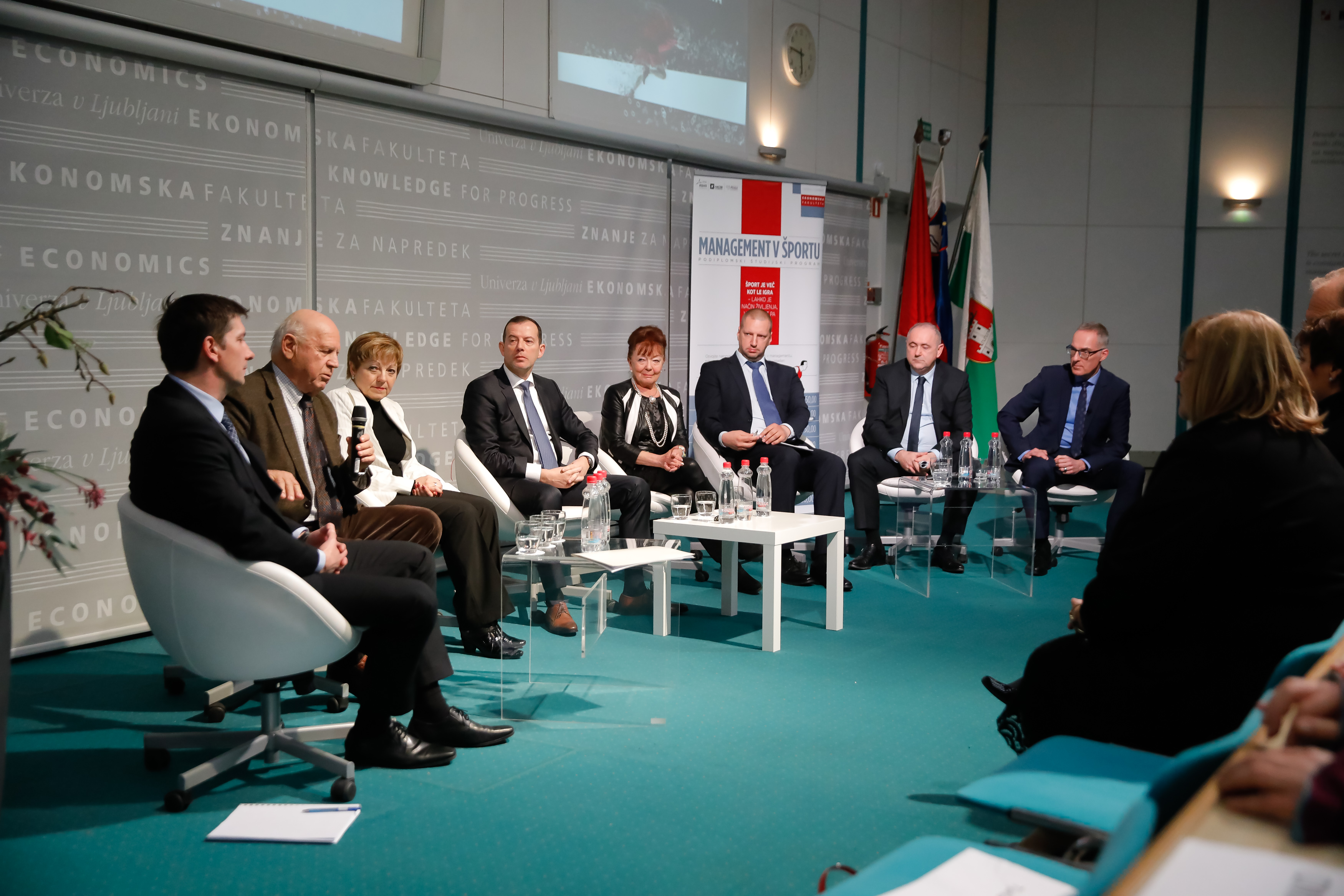
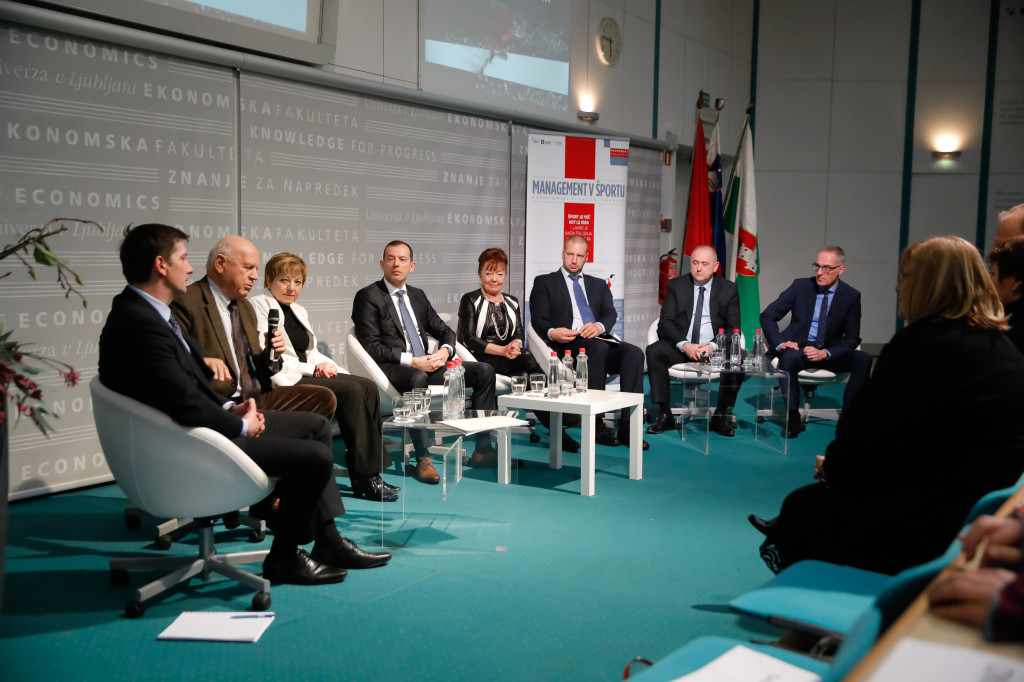
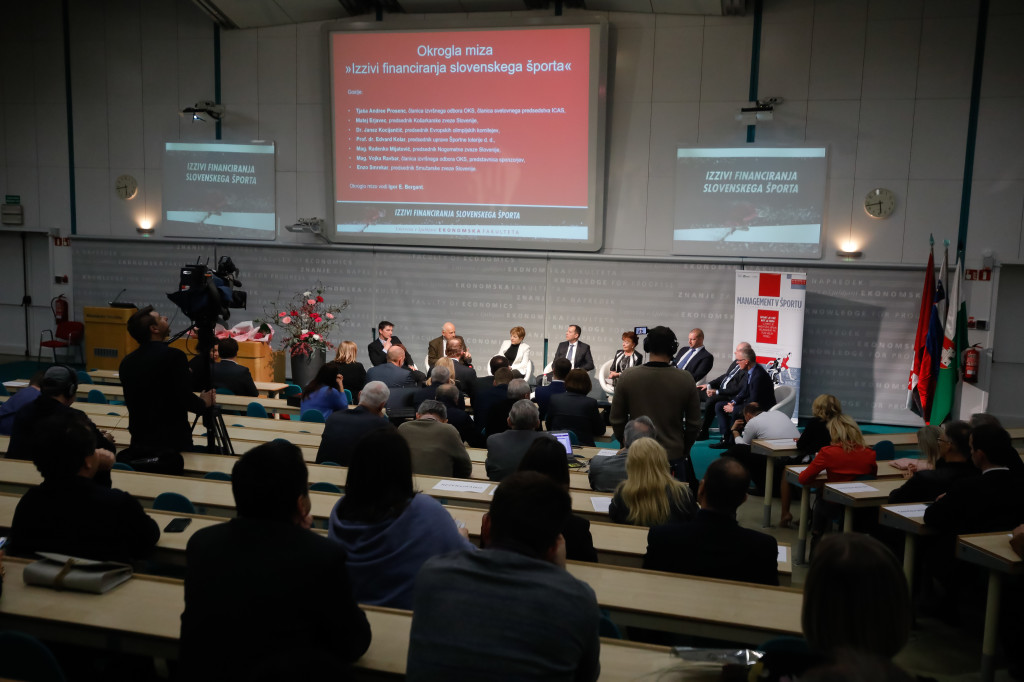
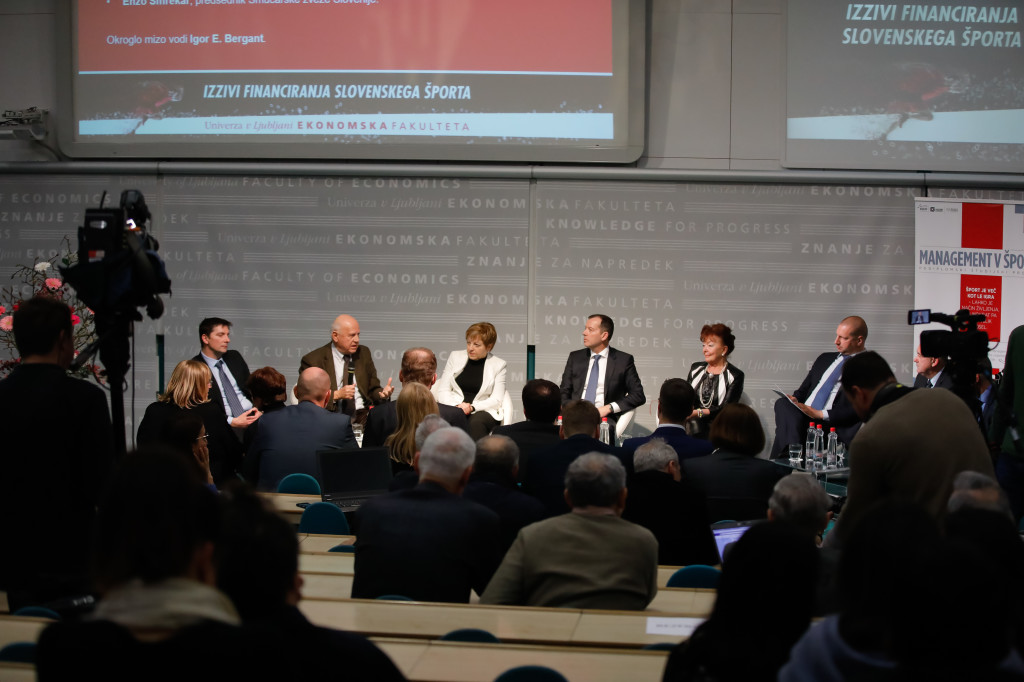
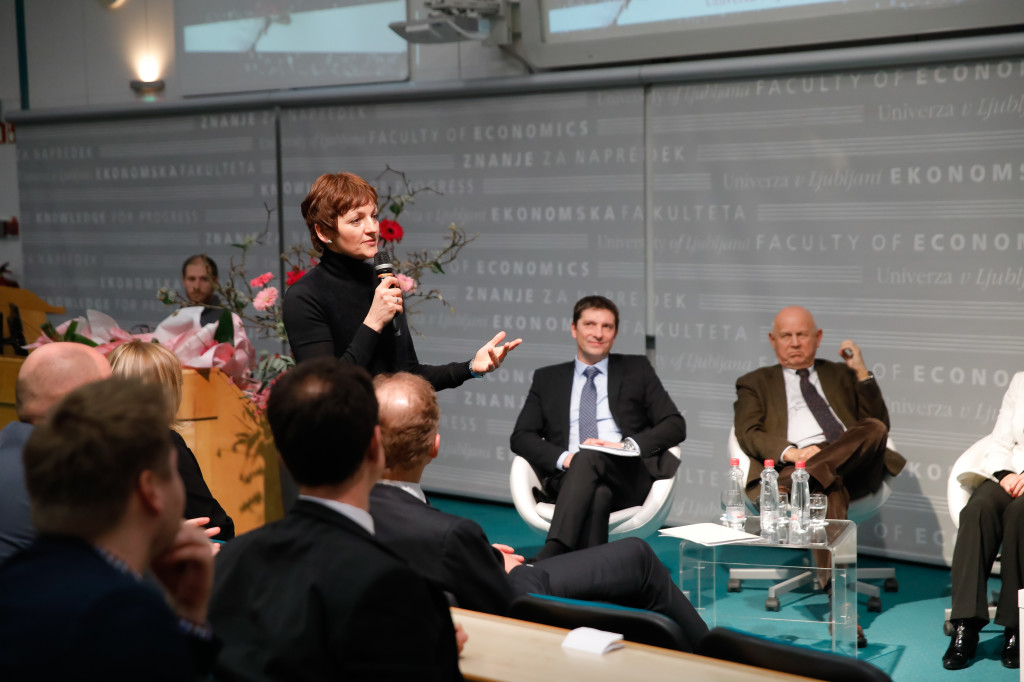
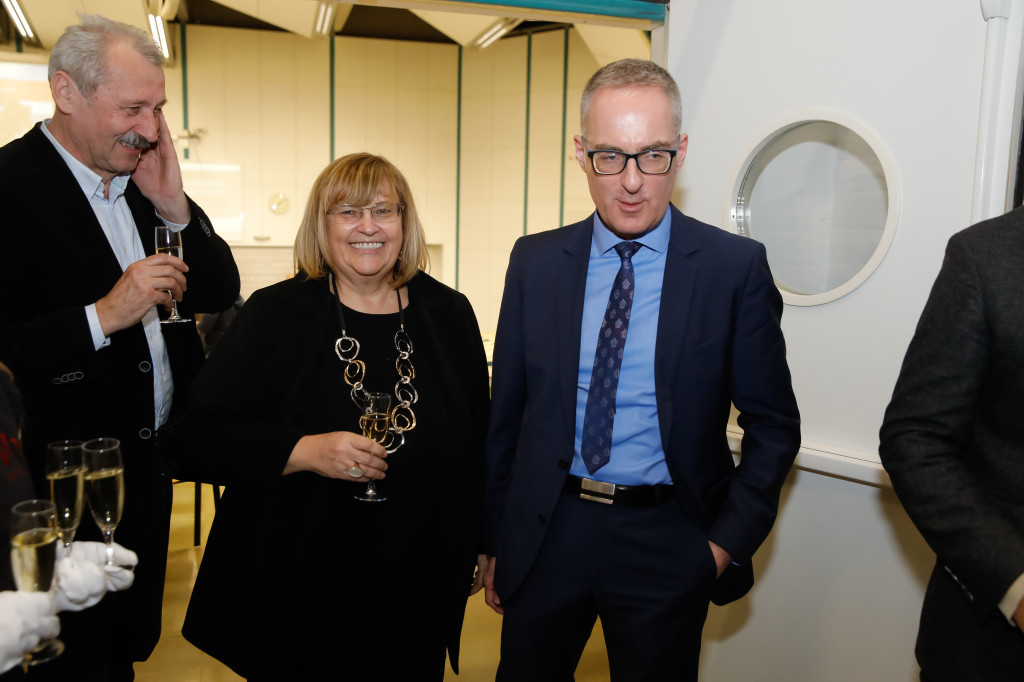
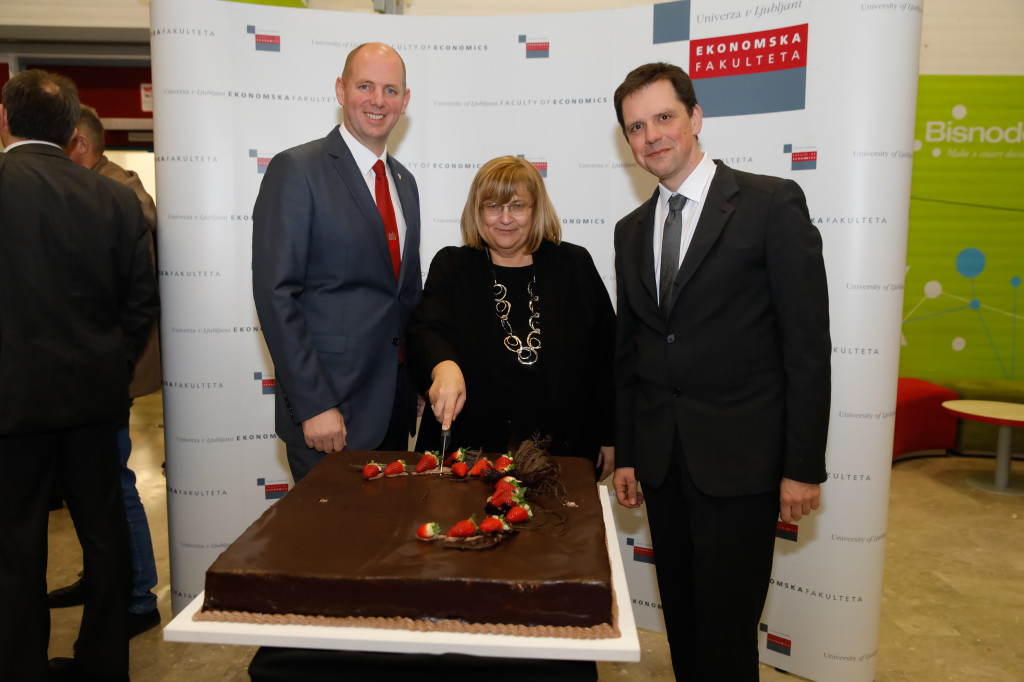
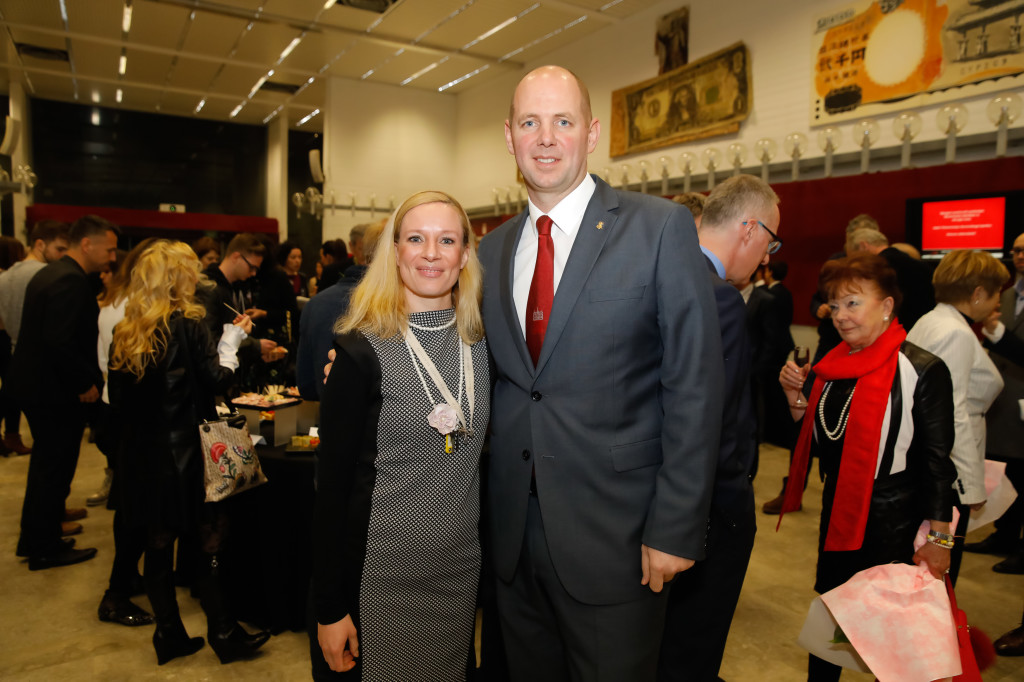
International Women’s Day, 8 March, bears witness to the achievements and equality of women, although at the Faculty of Economics, it also has another meaning. On this day, our ‘lady’ celebrates its birthday, this year its 72nd. On this solemn occasion, on behalf of the FELU we thanked all our colleagues and business partners who, for decades, have been writing stories of success with us. A roundtable, symbolising openness, dialogue and constructive criticism – the FELU’s cornerstone values – was entitled “The Challenges of Financing Slovenian Sport”.
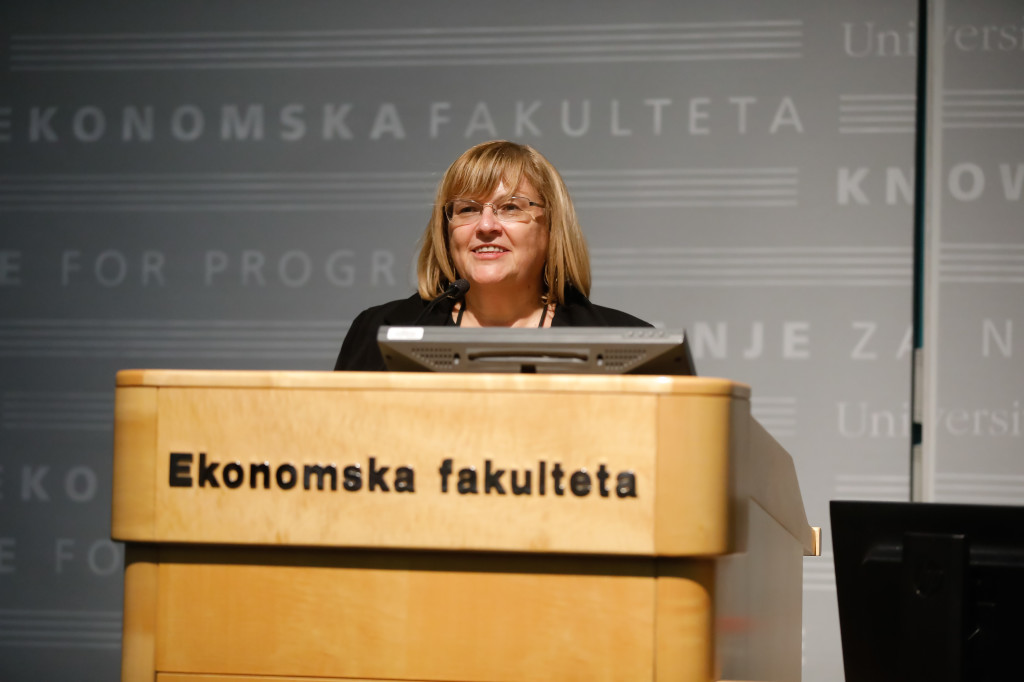
The worlds of sport and business are much more connected than meets the eye. Both require a clear goal, enthusiasm, effort and teamwork, leading to visible achievements. The FELU’s Dean Prof. Dr Metka Tekavčič emphasised that co-operation with the business world and the expert community is vital as it “gives us the determination we need to achieve much more than we sometimes think we are capable of”.
The introductory speech for the discussion on financing Slovenian sport was given by Prof. Dr Maja Makovec Brenčič, the Minister of Education, Science and Sport. A closer look at the country’s sporting achievements reveals sport forms part of Slovenia’s DNA and that its athletes are the key carriers of values in the world and provide role models for many young people, with the support given by companies and institutions being equally important. “This year we increased the budget for financing sport activities and are aware that even more funds are required because sport is both the motivating power of a nation and its foundation.”
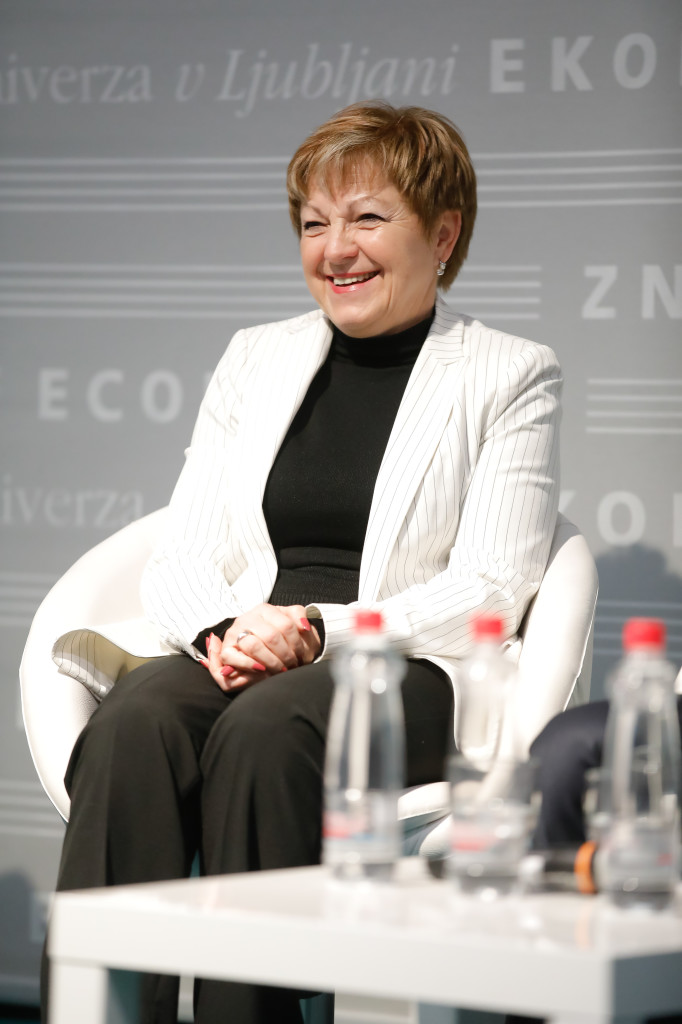
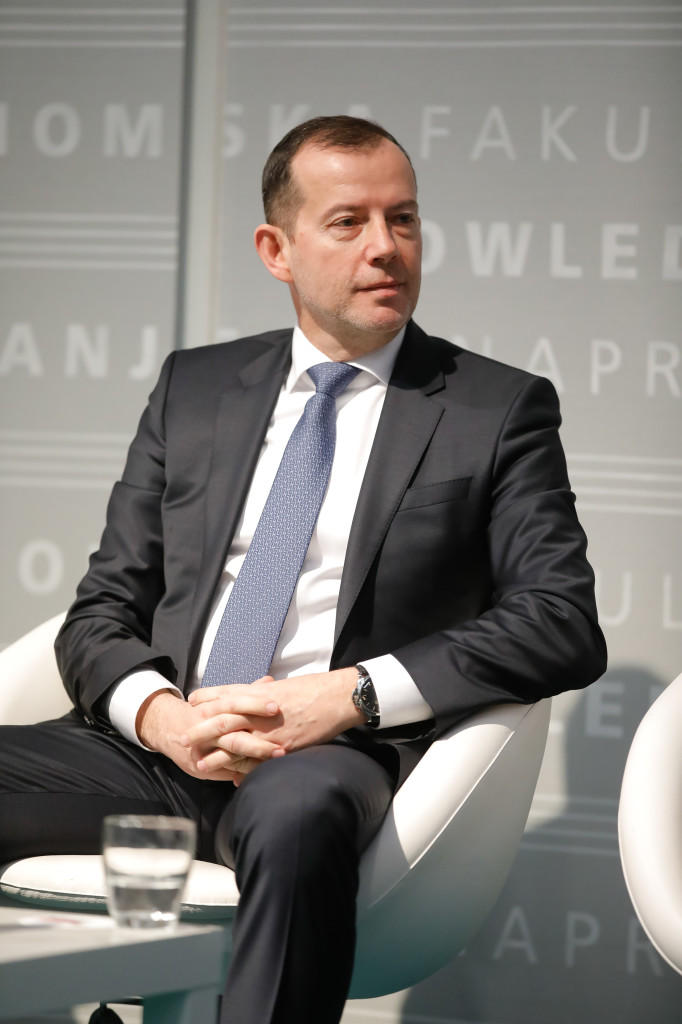
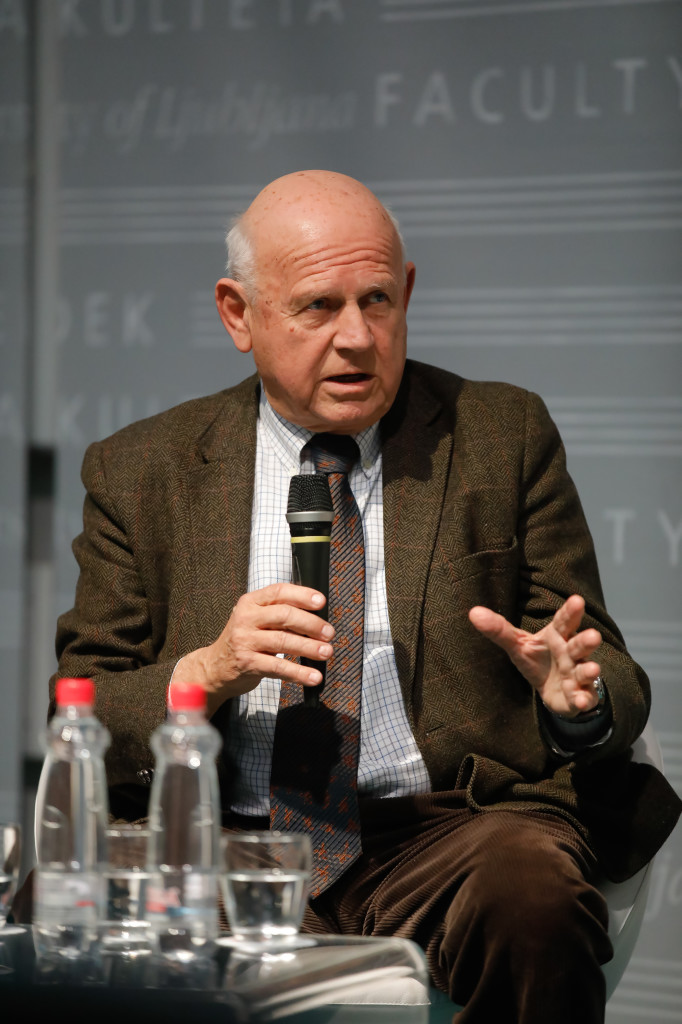
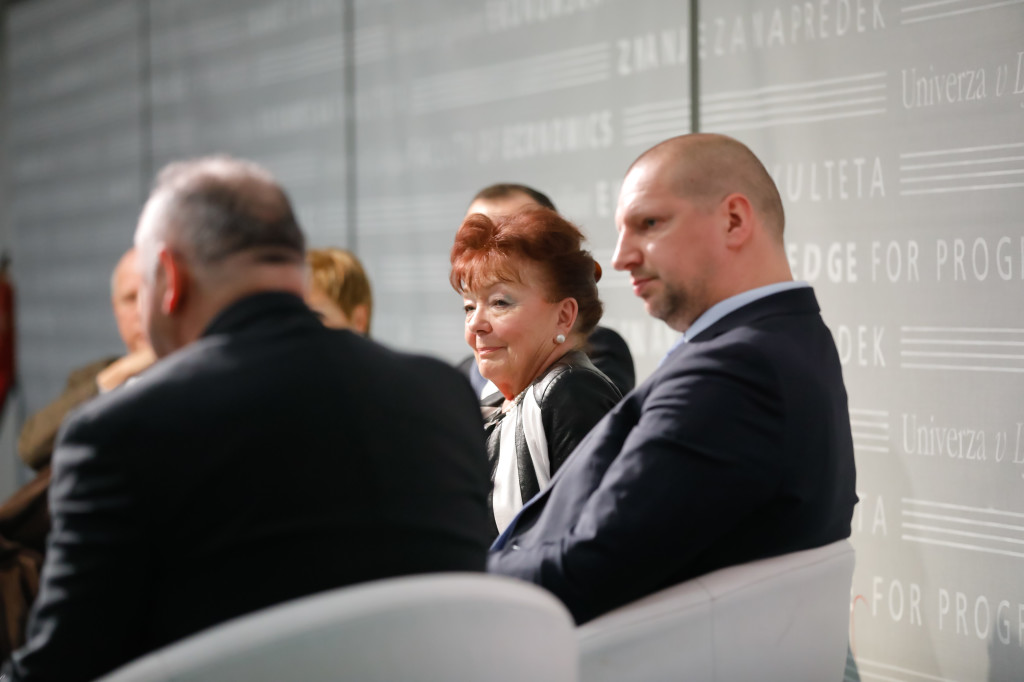
The roundtable was hosted and moderated by Igor Evgen Bergant, former sports journalist at RTV Slovenia, who invited those present to join the discussion on the bright and dark sides of the role of sport finances. The guests all agreed we are unlikely to ever see the situation in which there is too much funding for sport, although the existing financing methods could be reorganised and the use of the funds made more effective.
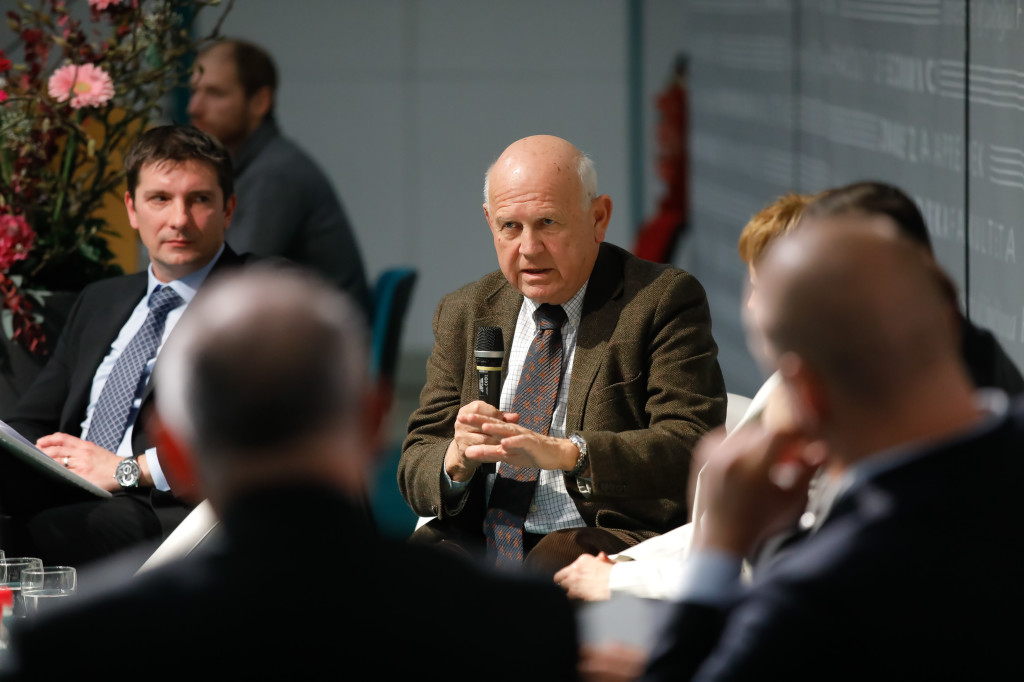
Dr Janez Kocijančič, President of the European Olympic Committees, emphasised a mix of financing sources, namely, public and private sector co-operation in supporting sport. “If we want to live in a world of sport where our nation has global ambitions, we must be capable of living in the current time and circumstances, requiring us to make many compromises so as to survive.”
“Slovenia is (un)lucky to have top athletes in many sports. The pool of possible financing is relatively small, yet there are ever more hungry mouths wishing to draw from this pool”, warned Enzo Smrekar, President of the Slovenian Ski Association, pointing out the importance of sport and the incredible results achieved by Slovenian athletes.
Therefore, the role of sponsors and donators is crucial and Vojka Ravbar, MSc, Member of the Executive Council of the National Olympic Committee of Slovenia, spoke on their behalf. The decision to co-finance is a conscious one and embeds the same values that permeate the sports and business worlds. “Responsible ownership [of companies] is called for. This also means responsibility to the environment in which a company operates.”
The need for sport to be more consistently viewed positively, not only when medals are won but also when funds are being allocated to the sector, was pointed out by Tjaša Andree Prosenc, Member of the Executive Council of the National Olympic Committee of Slovenia and the ICAS Vice-President. “I understand funding is hard to find, but there still are solutions. It’s about rearranging the tax system so that athletes can get more funds from it.”
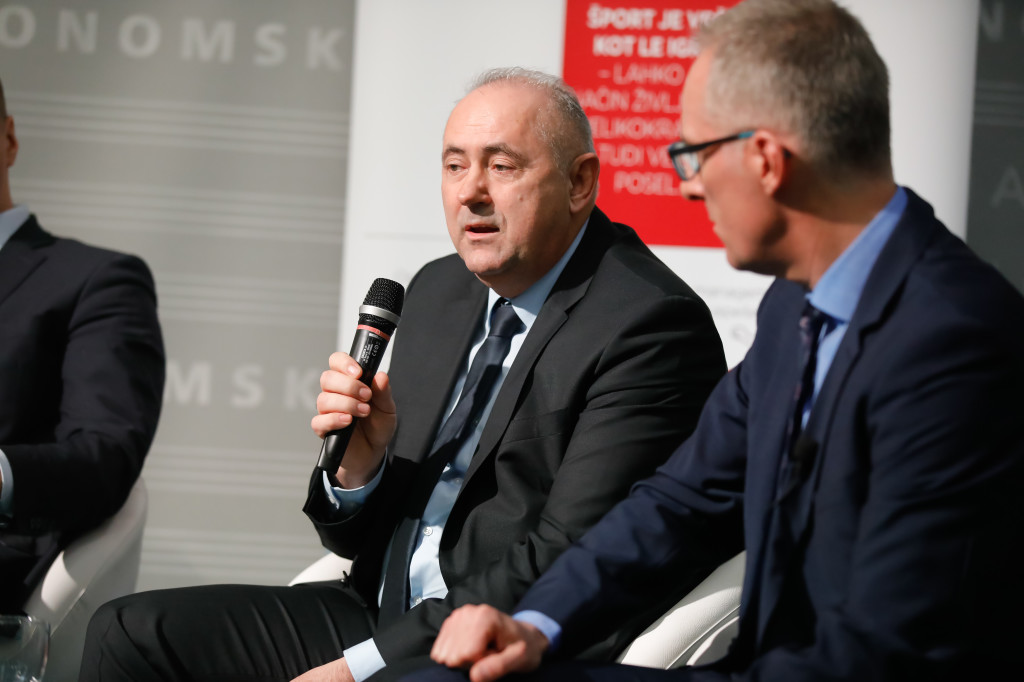
The need to redesign the fund allocation criteria was also emphasised by Prof. Dr Edvard Kolar, President of the Management Board of Športna loterija d.d, who advocates a dynamic system of fund allocation. “The model must encourage the allocation of public funds so that it depends on the impact of an individual sport discipline. This means that, every year, a specific sport organisation can be in any of the groups, in line with its meeting of the criteria of performance, extent, national importance, international competitiveness etc.”
According to Radenko Mijatović, MSc, President of the Football Association of Slovenia, “what is also important is our country’s role in creating an infrastructure that allows young people to carry out sport activities and invest in professionals to develop young athletes”.
Matej Erjavec, President of the Basketball Federation of Slovenia, talked of the challenges of seeking to make athletes stay in Slovenia. “To retain boys and girls in Slovenia is a burning issue as many of them aspire to play abroad and do actually leave their homeland. The quality in our clubs thus drops and it is difficult for us to gain an equal footing in the international sphere. However, there are ways to successfully counter this challenge in Slovenia as well.”
The open dialogue and constructive criticism experienced at this roundtable are undoubtedly the drivers of progress in all areas, including sport and business. Common laws and values that apply in this and other spheres were also emphasised by the roundtable guests who offered a new perspective to the audience, which engages in sport only recreationally.
Iva Drvarič, Efnews
Image gallery:





























Publish your comment:
 Upcoming events


