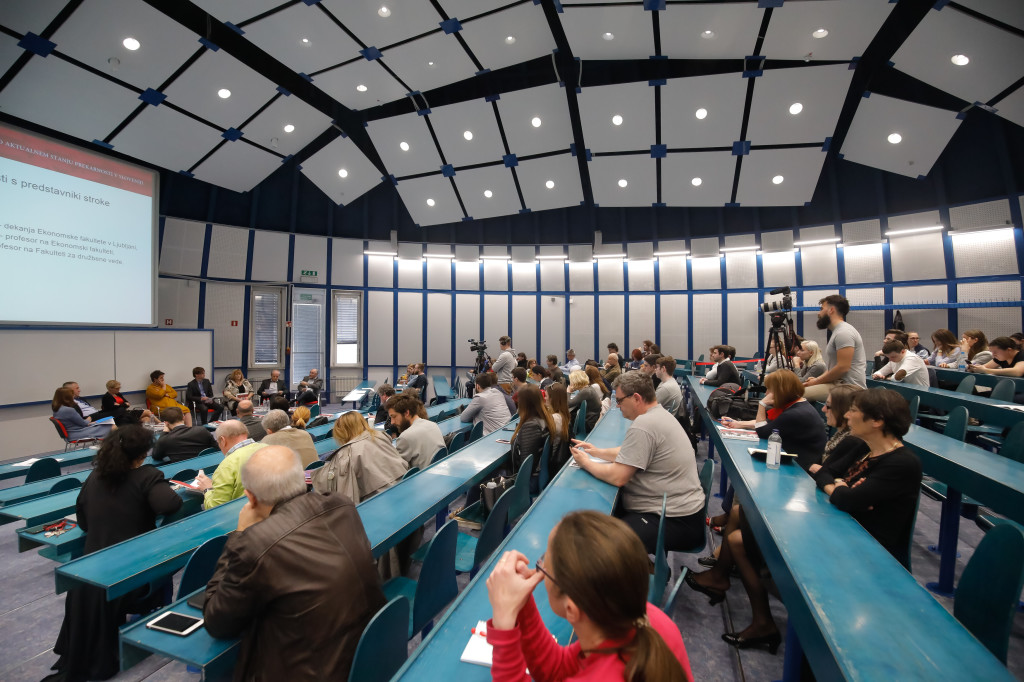
Public discussion at the Faculty of Economics on precarious work
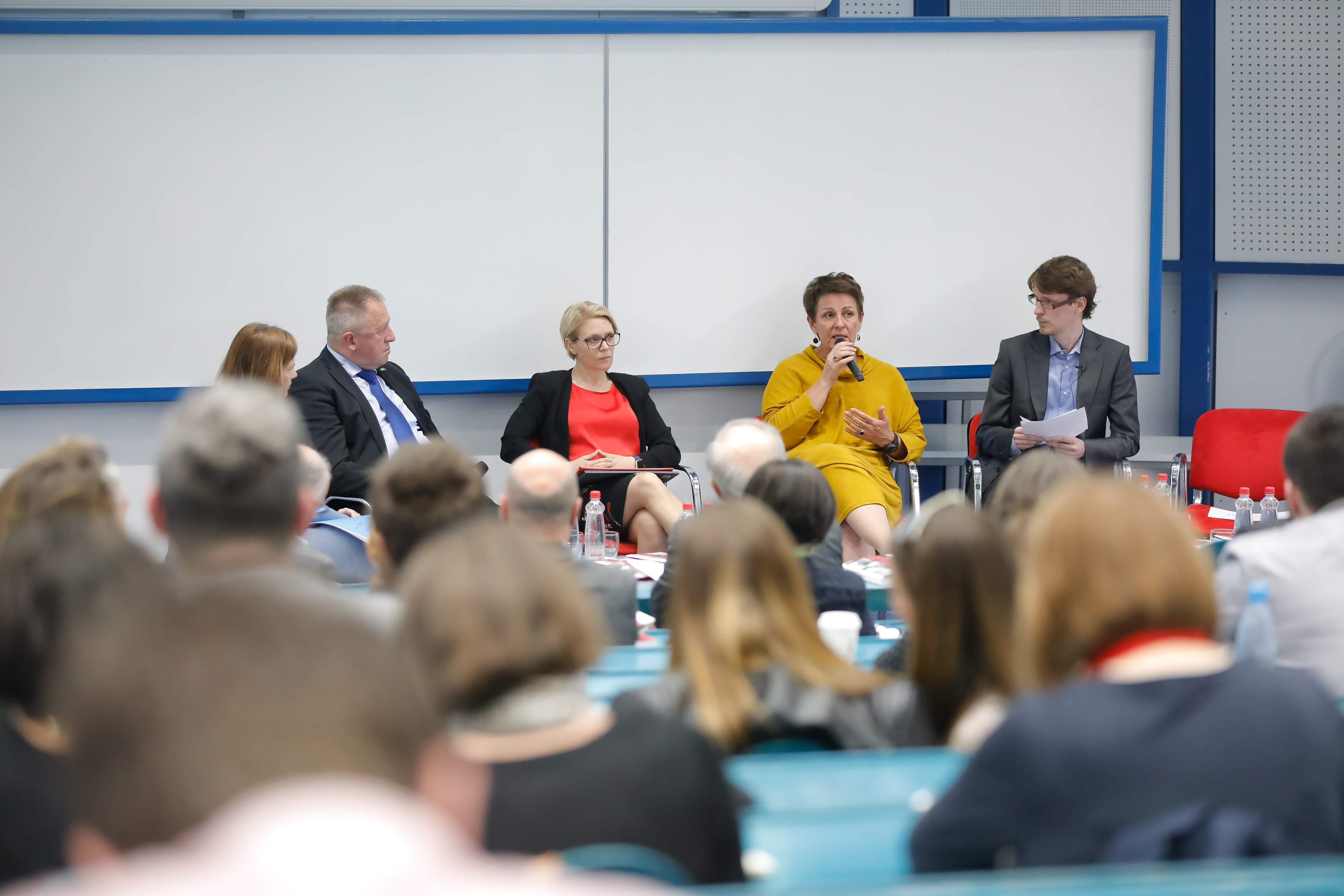
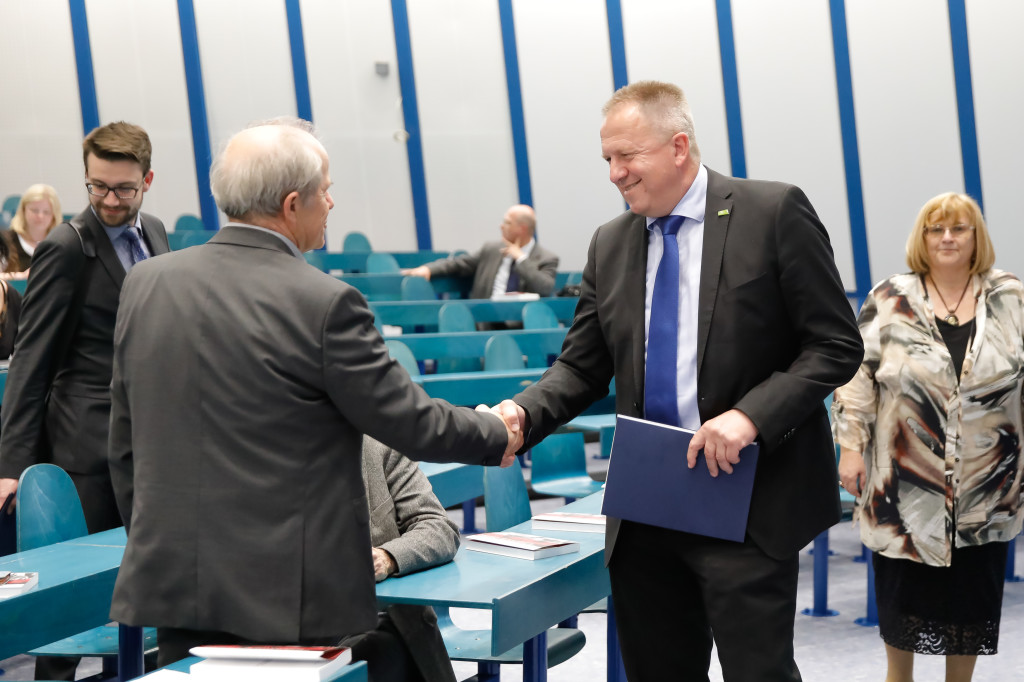
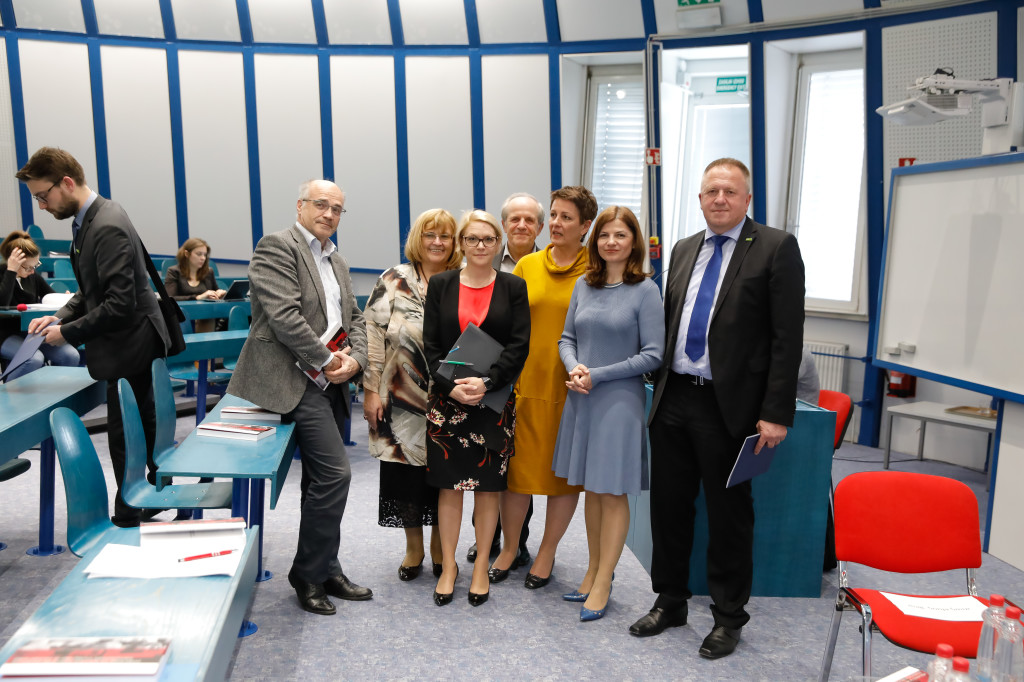
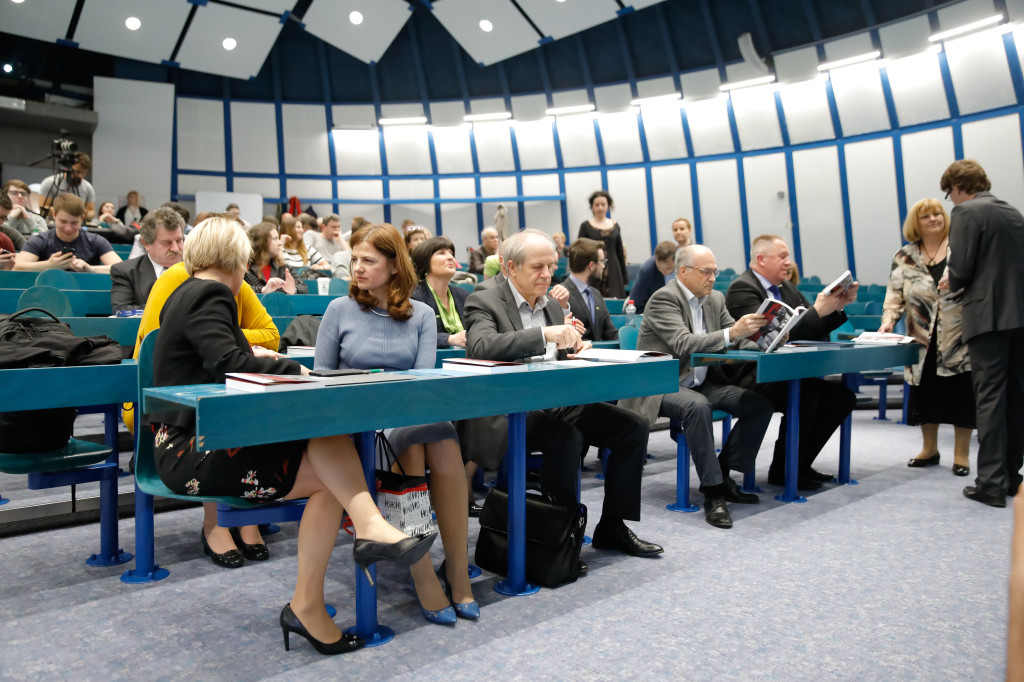
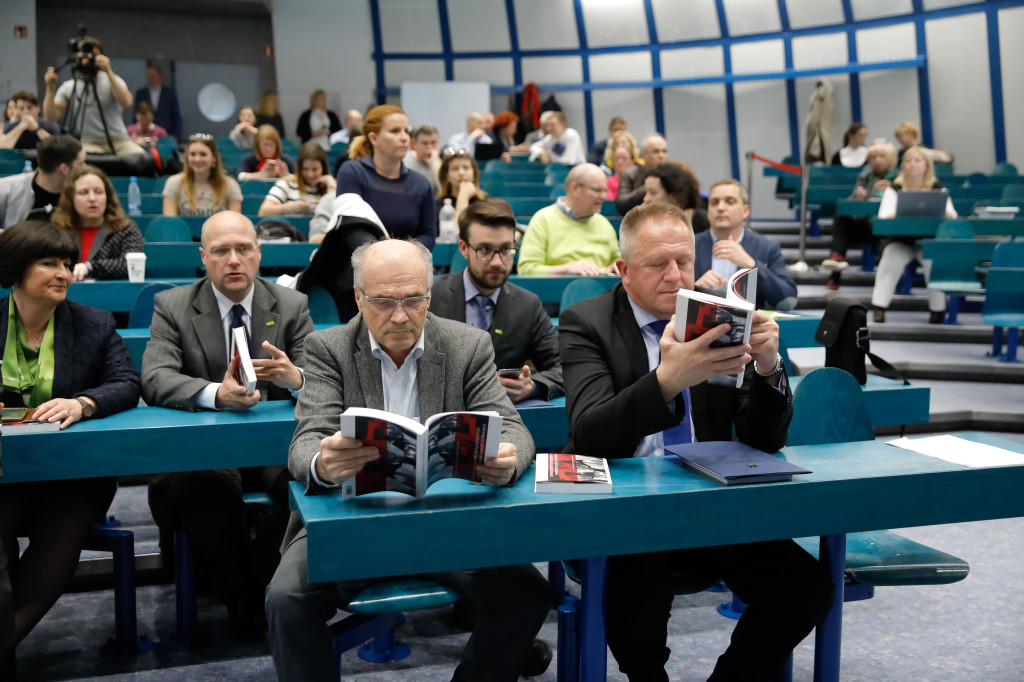
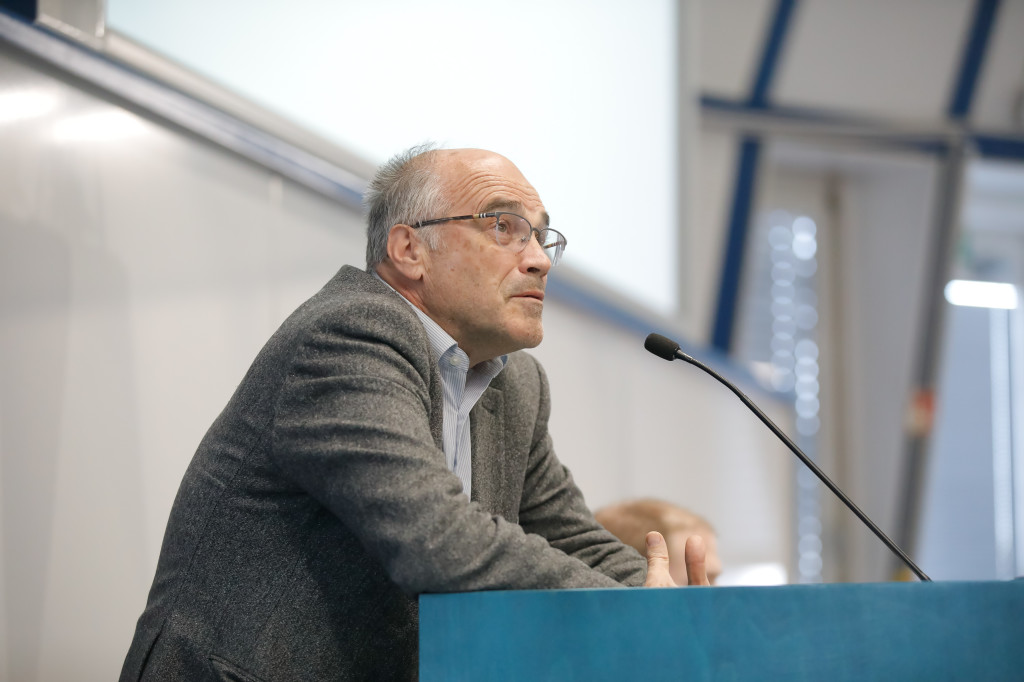
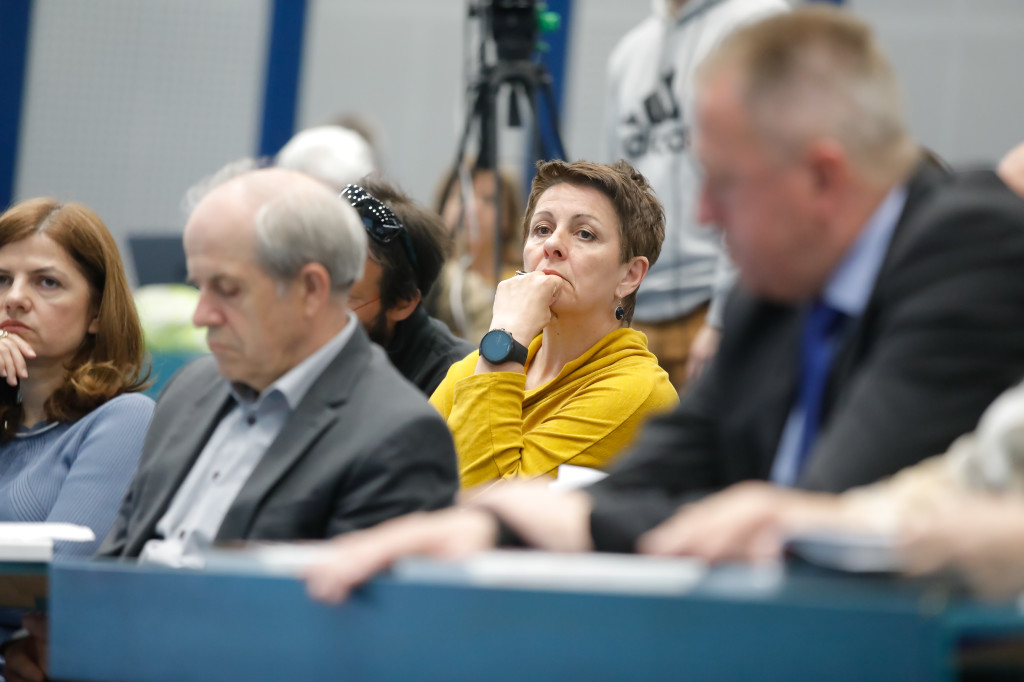
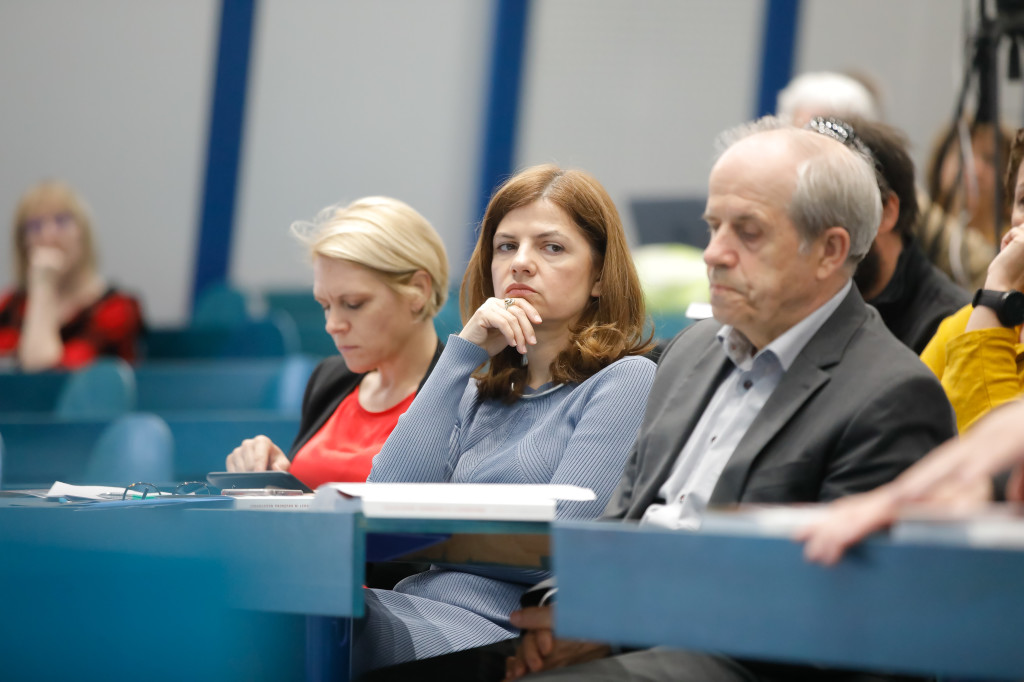
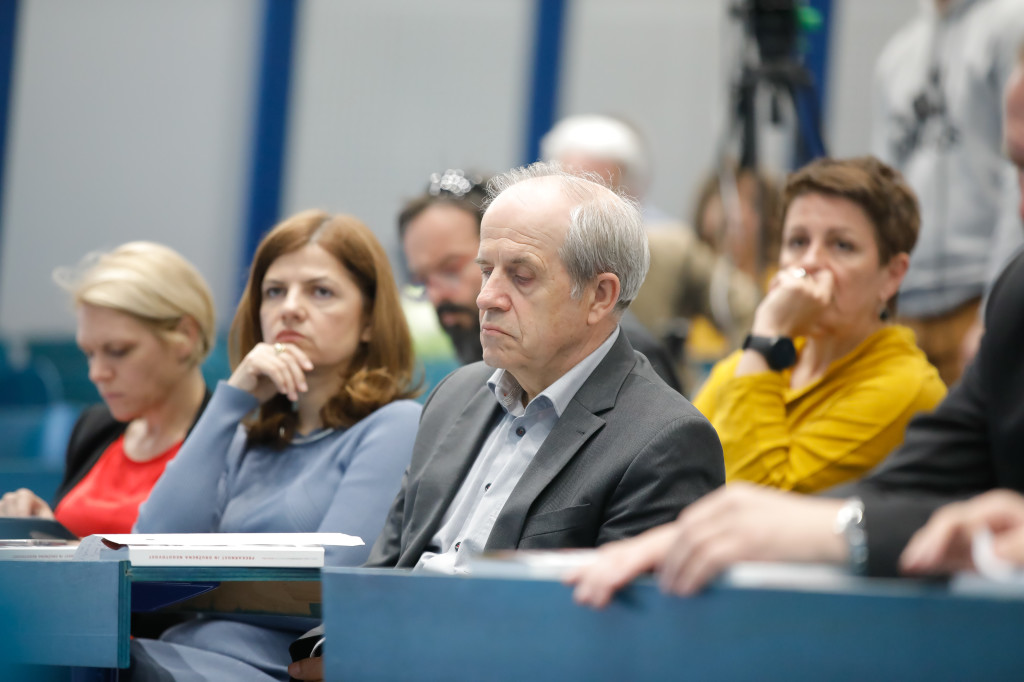
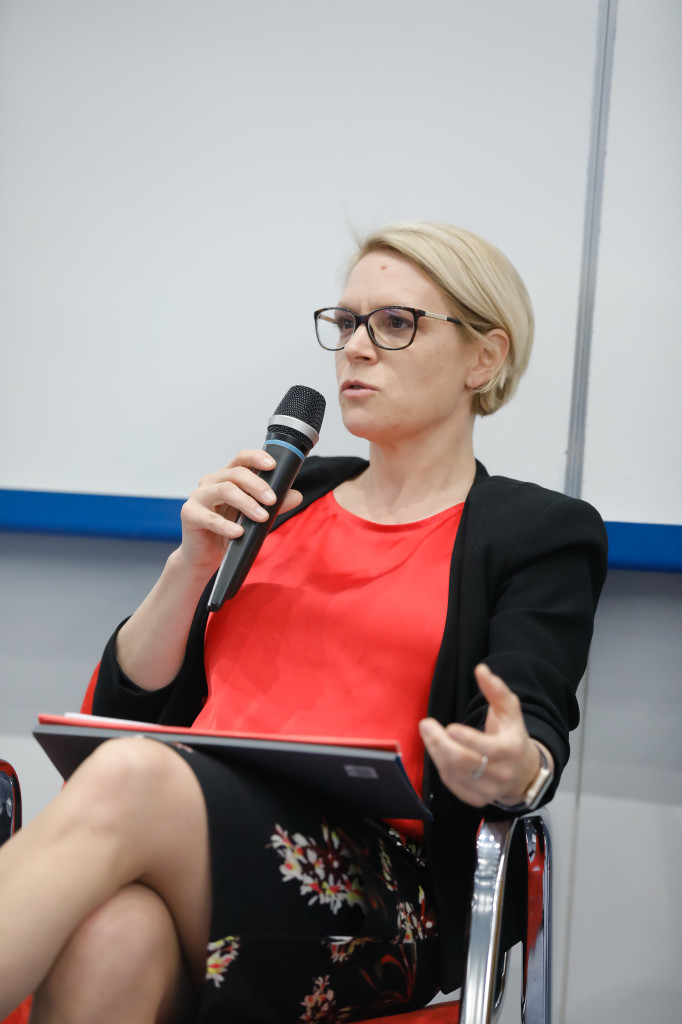
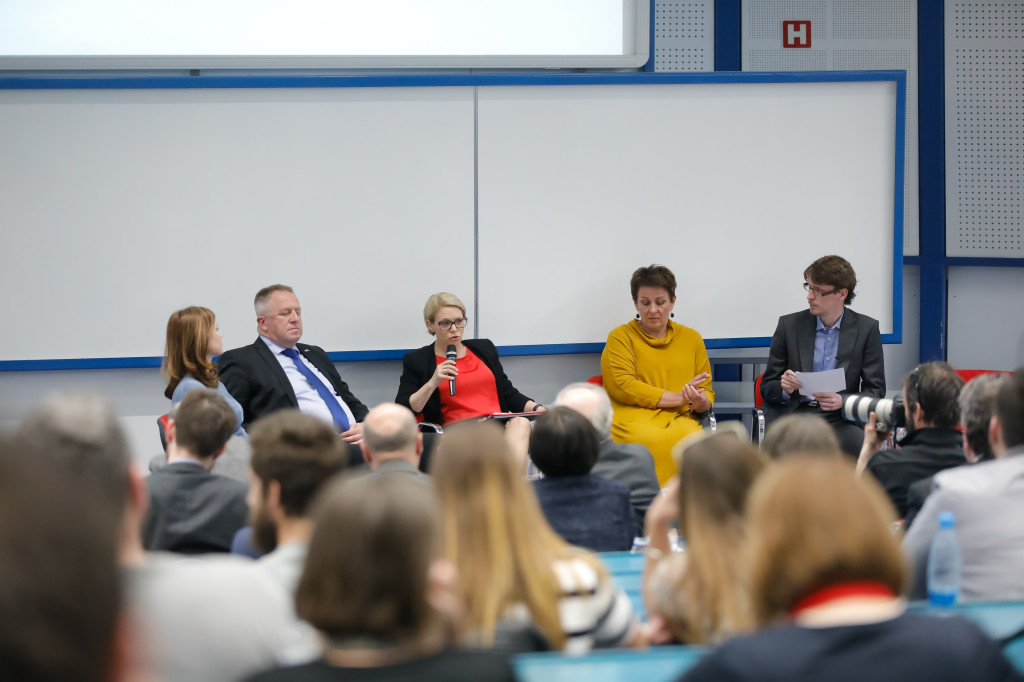
A fundamental question for resolving of the issue of precarious work is its definition given that the various stakeholders have still to reach a consensus on it. Different opinions on precarious work also emerged during the public discussion on the occasion of publishing a compendium of expert interviews on precarious work. However, those present agreed on the importance of dealing with this issue.
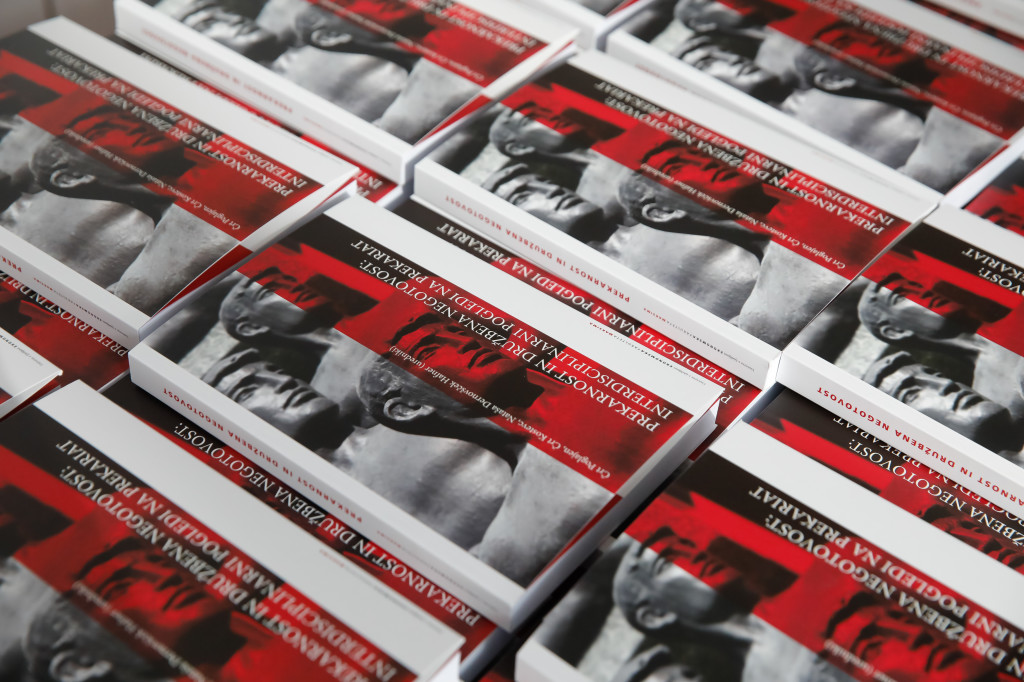
The compendium which, according to its editor Črt Poglajen, sheds interdisciplinary light on precarious work, is a collection of viewpoints of economists, sociologists, political scientists, experts on law and occupational medicine, historians and philosophers. “This was the first step to defining the concept of precarious work, which I believe is crucial”, he emphasised.
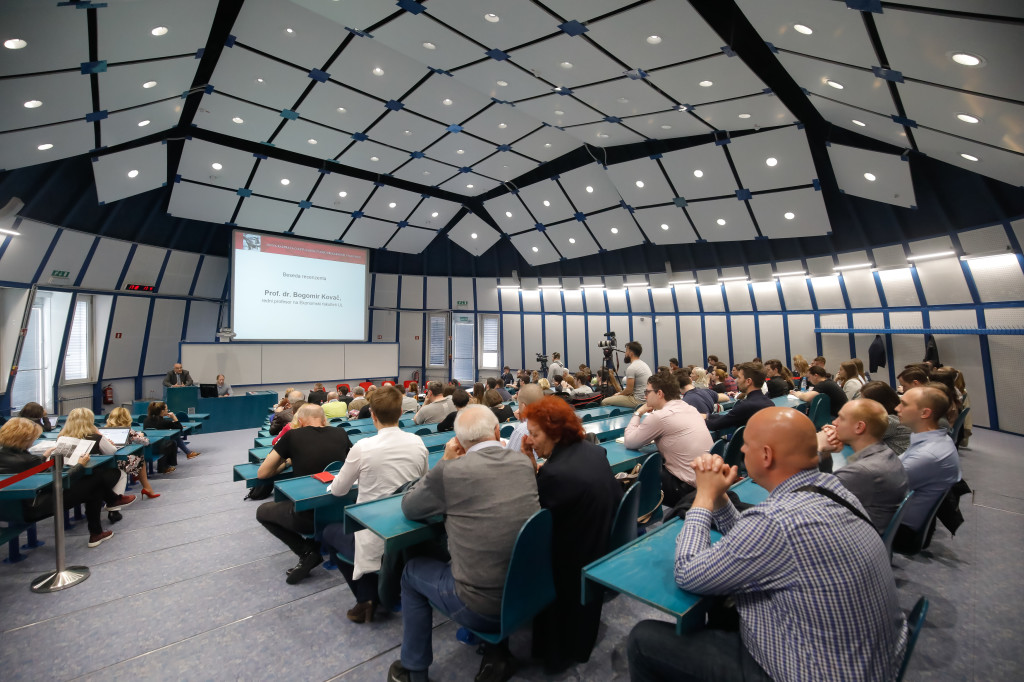
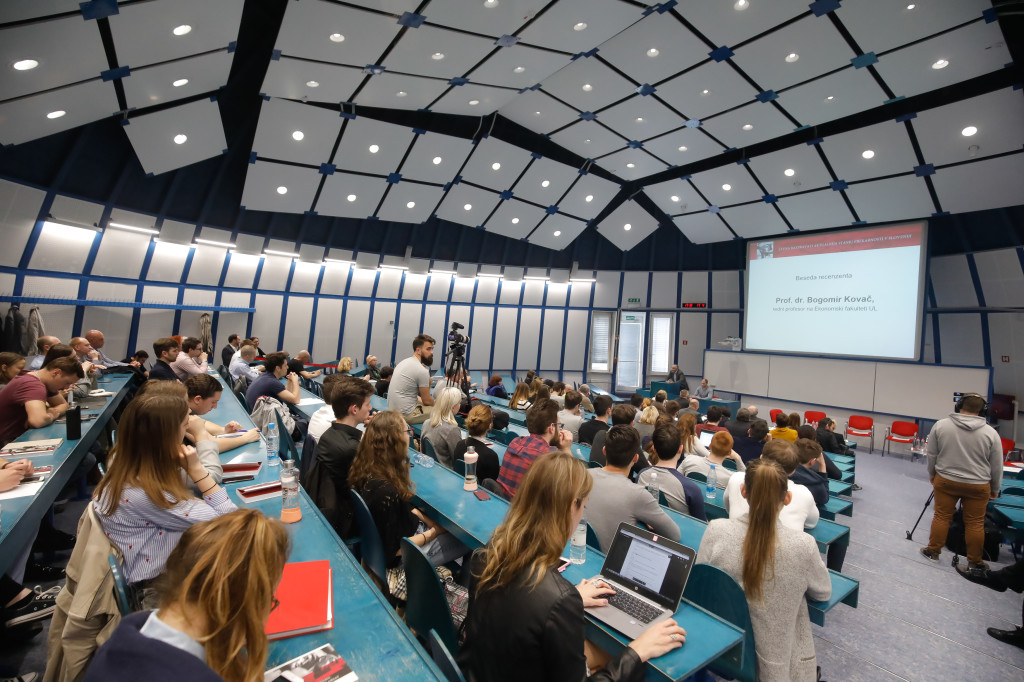
The reviewer of the compendium Prof. Dr. Bogomir Kovač from the FELU, which published the book and also hosted the discussion, pointed out that a precarious livelihood is not a peripheral but a structural problem. “What we regard as precarious work today is what has become a new norm in the modern labour market”, he warned.
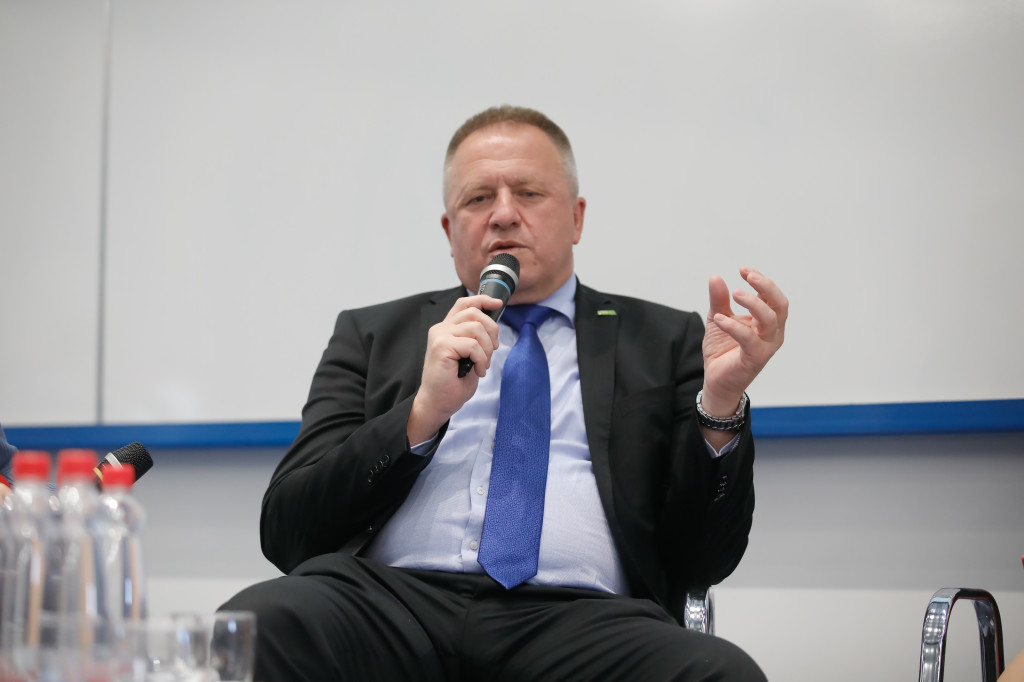
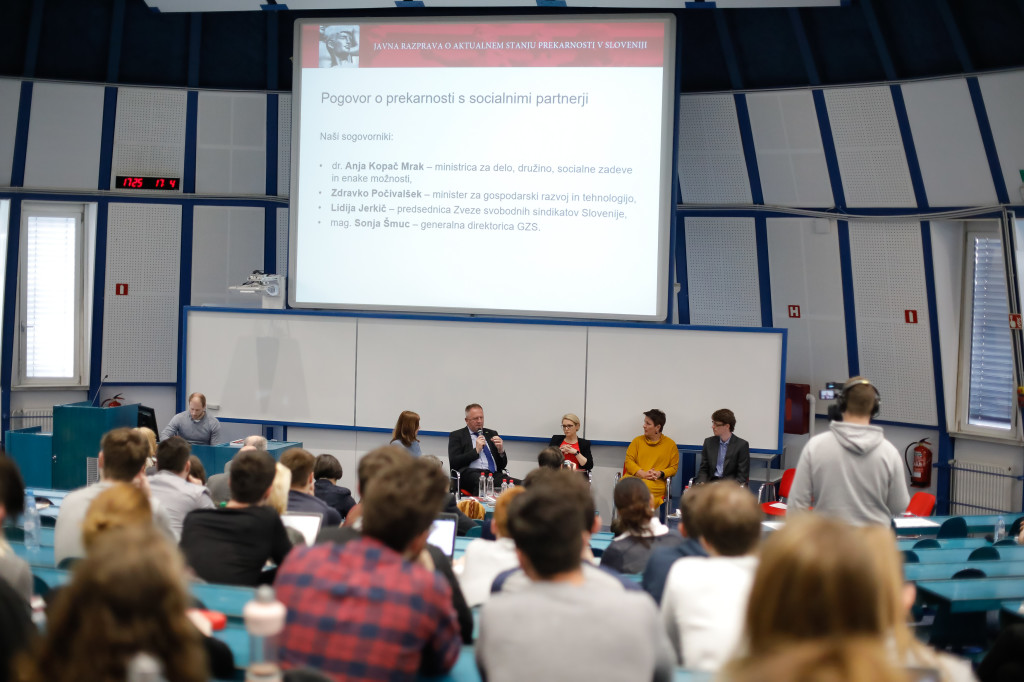
Minister of Economic Development and Technology Zdravko Počivalšek stated the key question in resolving this issue is why precarious work has developed at all. He believes one reason could be the rigid Slovenian legislation which has forced employers into finding other ways of doing business. “If entrepreneurs had greater possibilities to breathe in their business, there would be more fixed-term job contracts,” he estimated. He stressed he is against precarious work and that methods to combat it should be discussed.
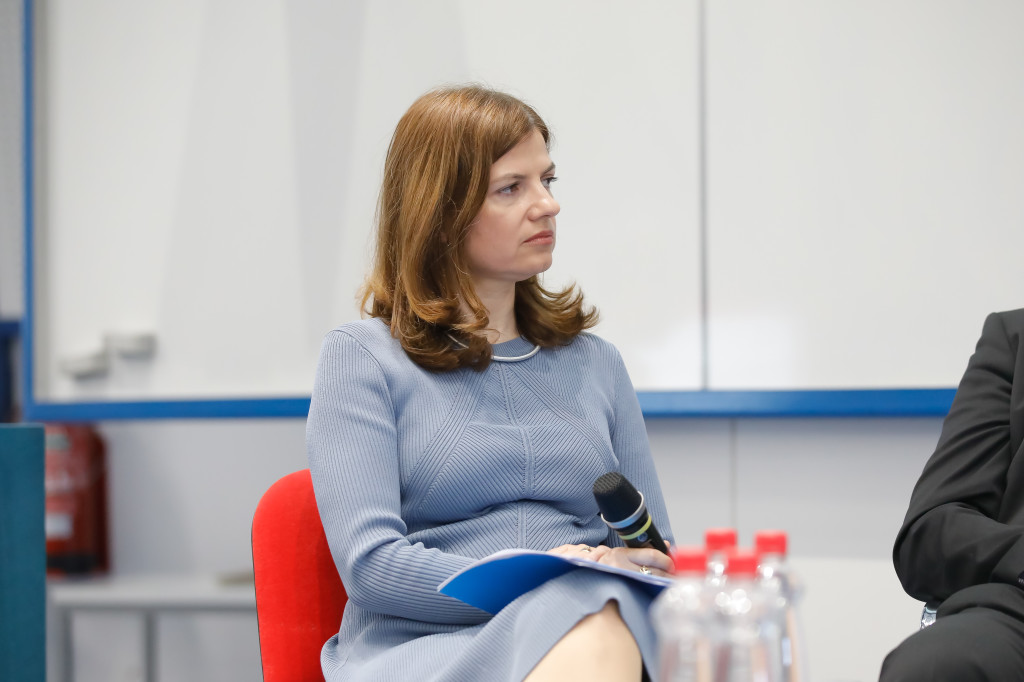
Anja Kopač Mrak, PhD, Minister of Labour, Family, Social Affairs and Equal Opportunities, stated that precarious work means any employment that fails to ensure economic, legal and social security. In her opinion, the question is what is a sufficient level of security in these areas. She thought the problem of society is how to make work more flexible while retaining enough social security.
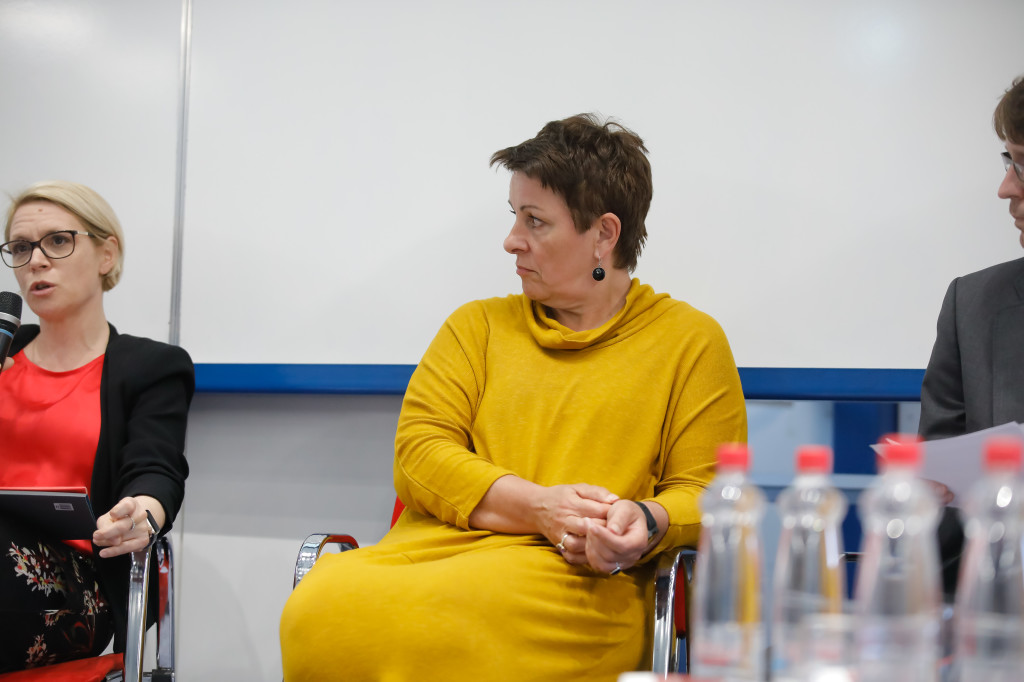
When discussing precarious work, many people first think of the self-employed, of whom there are about 114,000 in Slovenia, according to Sonja Šmuc, MSc, General Manager of the Chamber of Commerce and Industry of Slovenia, yet only 17 percent decided on this status out of necessity. “These are new trends we cannot avoid. However, we have to find a way to effectively integrate them into the system”, she said. Together with Kopač Mrak, it was stressed that, given the increasing labour shortage, “power has shifted back to the side of the workers”.
Lidija Jerkič, President of the Association of Free Trade Unions of Slovenia, warned about the other side of the story, estimating that “in recent years, flexibility has gone wild”. She did not agree with the proportion of those not choosing to be self-employed, as she believes a great many of them were forced into it.
Prof. Dr. Ivan Svetlik from the Faculty of Social Sciences gave a historical outline of precarious work, emphasising there is no reason for precarious work in Slovenia to be a bigger problem than in other countries, although some data showed that it was. In his view, the culprit for this phenomenon is the increasing individuality which, along with advancements in modern technology, has changed the structure of labour.
The Dean of the Faculty of Economics Prof. Dr. Metka Tekavčič announced that the content of the compendium would be included in the FELU’s activities, as precarious work must be treated as an important and omnipresent social phenomenon. “It is only proper to eliminate all those anomalies that are not related to flexibility but to human relationships”, she added.
Image gallery:








Publish your comment:
 Upcoming events


