New steps on familiar routes of the former common state
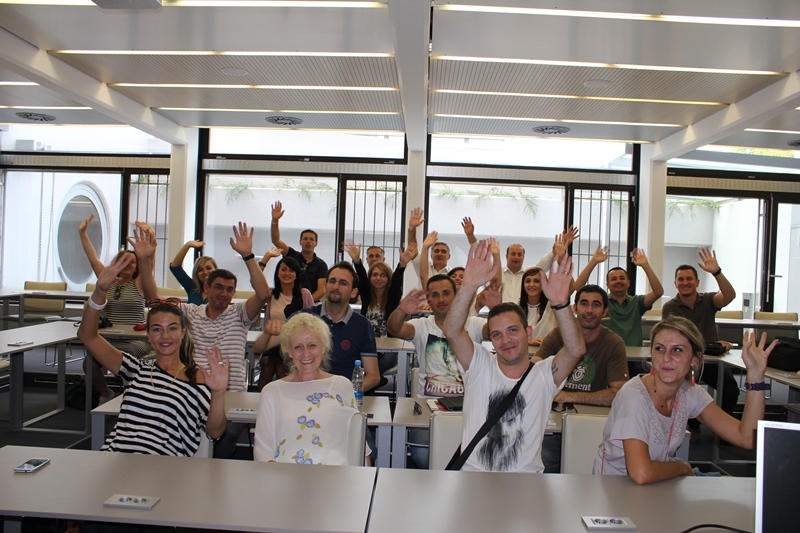
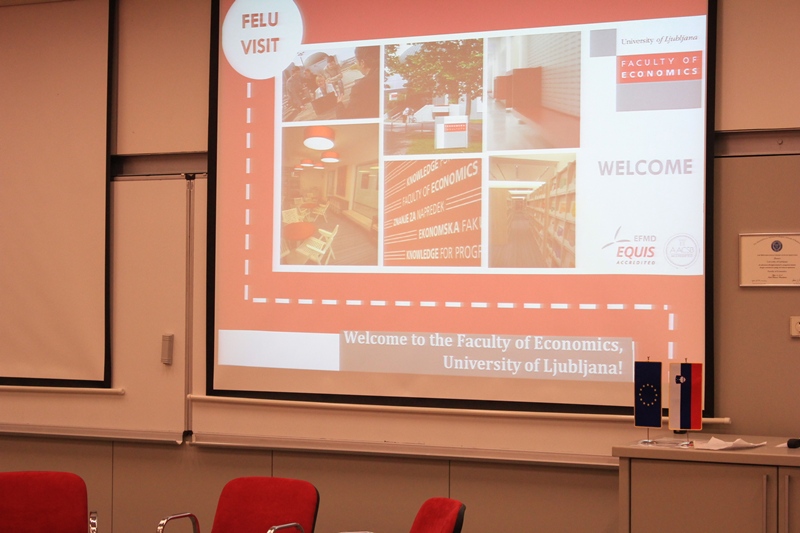
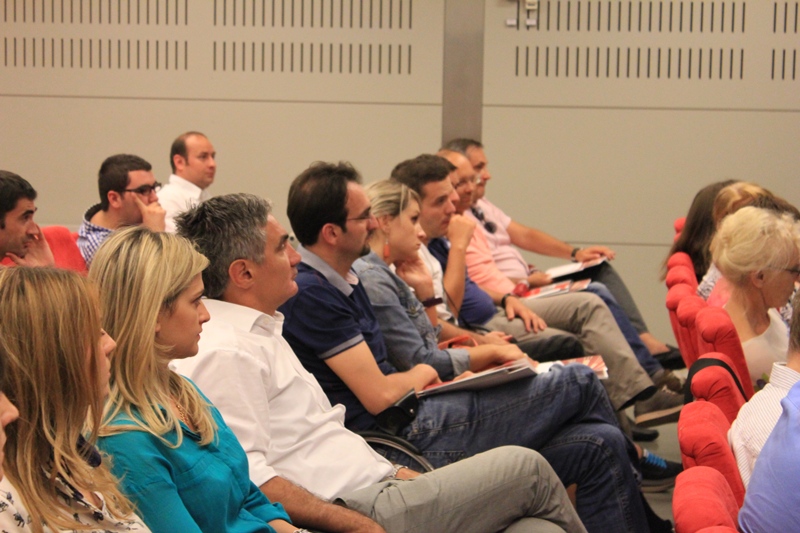
With the aim of connecting and creating opportunities beyond the boundaries, on the 22th and 23rd of August, Faculty of Economics (FELU) hosted MBA students from Macedonia and Kosovo. Currently FELU offers three postgraduate Bologna programs: Master in Bank and Financial Management, Master in Entrepreneurship in Kosovo, and Business Administration Master Program in Macedonia. “We want to see more of such human resource development and transfer of business practices that are the basis for growth and development in the future. We also want to attract key personnel from Macedonia and Kosovo, which are already part of the institutional development, particularly in the field of finance and banking”, says Prof Maja Makovec Brenčič, Ph.D., FELU Vice Dean for development, adding: “In the future we plan enlargement. For the FELU, it is also interesting to be present in Albania and Bulgaria. Competition is large, but international FELU accreditations give us international stability. “
“Slovenia has “know-how”, and this is her advantage over Macedonia and Kosovo”
 Prof Metka Tekavčič, Ph.D., who in Macedonia is the leader of the Business Administration Master Program, and will become FELU Dean on the 1st of October, highlights the competitive advantage of the faculty in the region: “For the FELU it is important to offer their expertise in the area of South Eastern (SE) Europe. We especially want to be present there because here we have strong competitive advantage as by far the best school in the region”. Melita Sekulovska , the regional coordinator of the study in Skopje, stresses new opportunities in the field of research and consulting thanks to the FELU expansion: “Slovenia has “know-how”, and this is her advantage over Macedonia and Kosovo. Master’s students in Macedonia occupy important positions in our renowned foreign or domestic companies. And the development of business academy is what has been missing in Macedonian companies.”
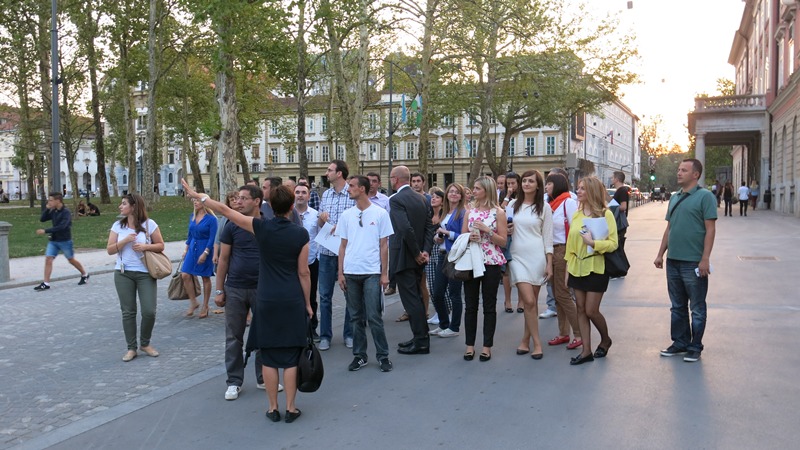
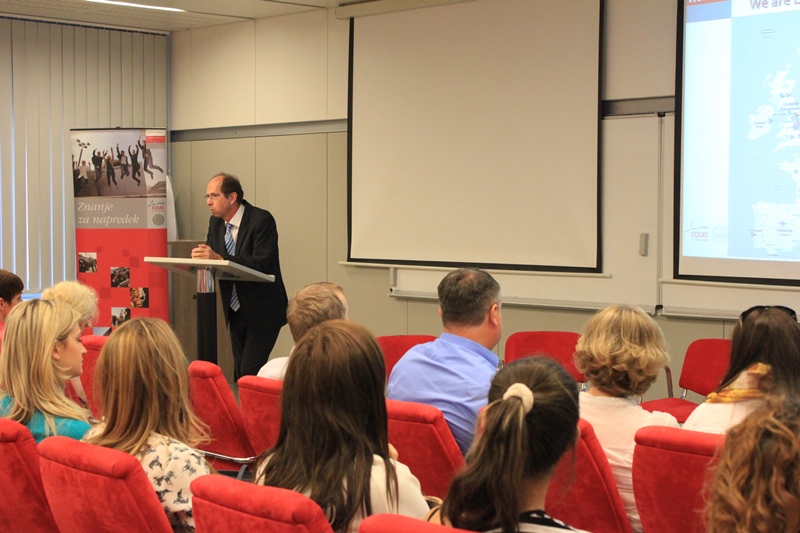
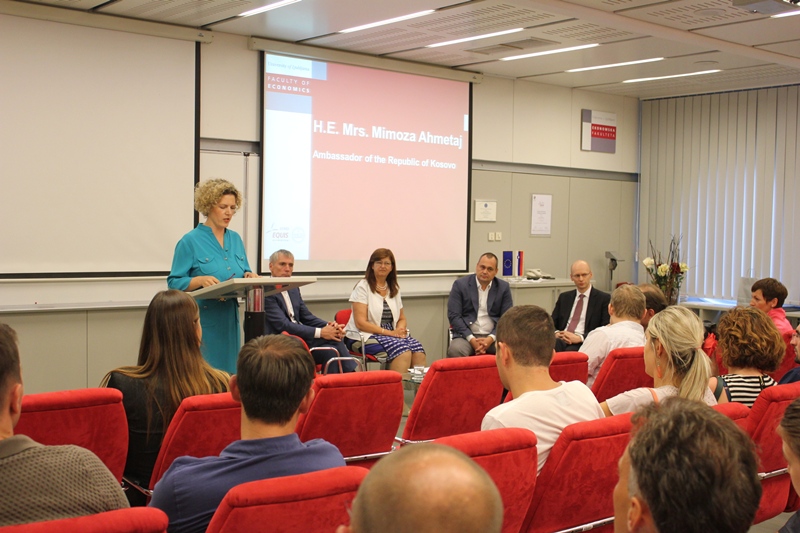
The representatives of all postgraduate FELU generations are employees of the companies in Macedonia and Kosovo,  which are active on SE Europe markets. During the two-day visit, organized by the FELU, students were addressed by the governor of the Central Bank of the RS, Prof Boštjan Jazbec, Ph.D. and Zoran Janković, Mayor of the City of Ljubljana: “We want to transfer our experiences even further, and we are proud to announce that Ljubljana is, with regard to its development, comparable with all the capitals of the world”. At an evening gathering at the Ljubljana Castle, the exchange of ideas and good practices was welcomed by the Ambassador of the R. of Macedonia, H.E. Igor Popov, stating for the EFnews: “In the new spirit of cooperation I can tell you that I’ve been working a lot in the field of twinning of municipalities, which is based on the social and economic integration. Slovenia is a regional champion in geothermal tourism. In Macedonia we have 20 municipalities with geothermal potential, but we do not have knowledge to develop this potential”. H.E. Mimoza Ahmetaj, Ambassador to the R. of Kosovo, highlighted investments of the Kosovo government in the infrastructure and their focus on the privatization process: “To succeed, it is necessary to educate our people. Kosovo must become more attractive for foreign direct investments. This will ensure sustainable growth.”
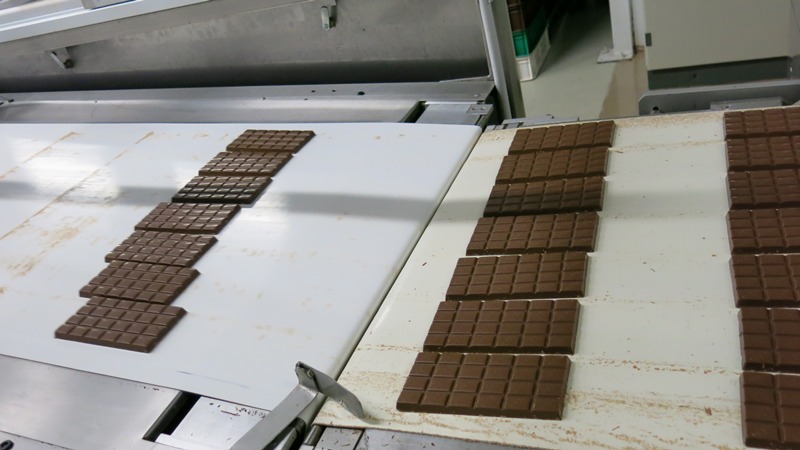
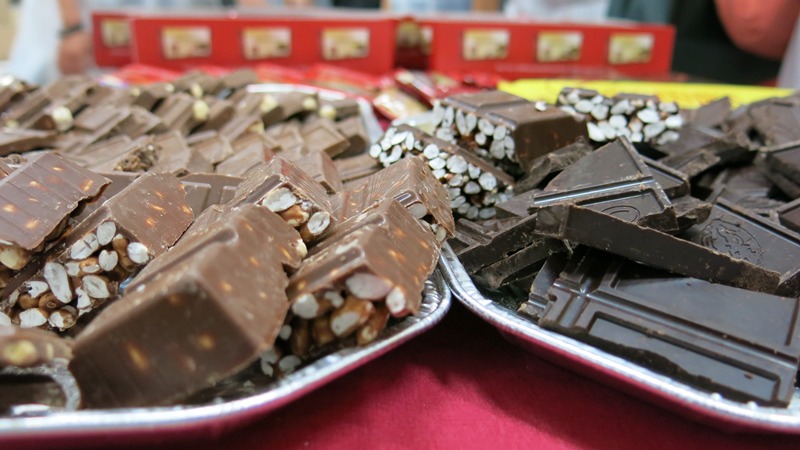
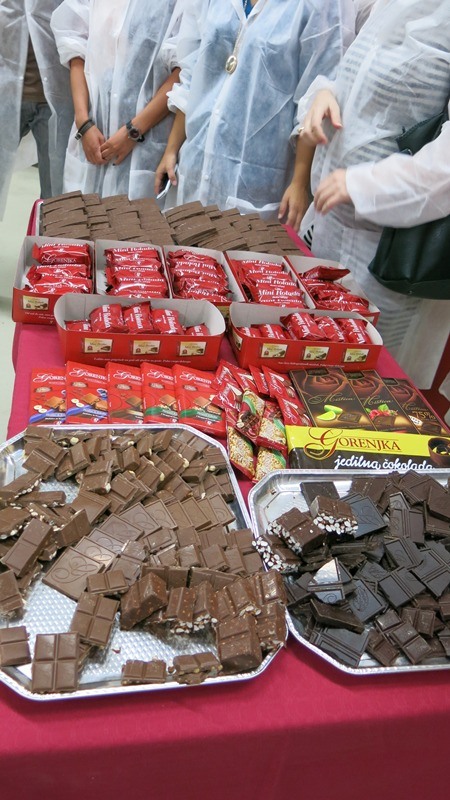
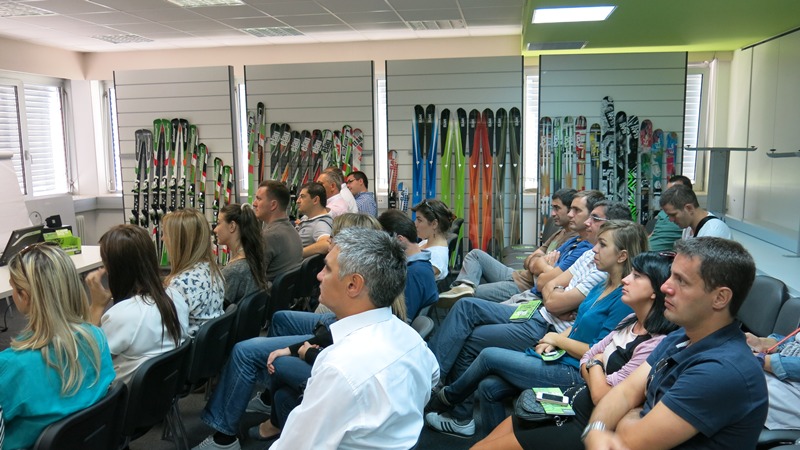
ELAN: “Commitment to raise expectations”, GORENJKA: “Full of good things”
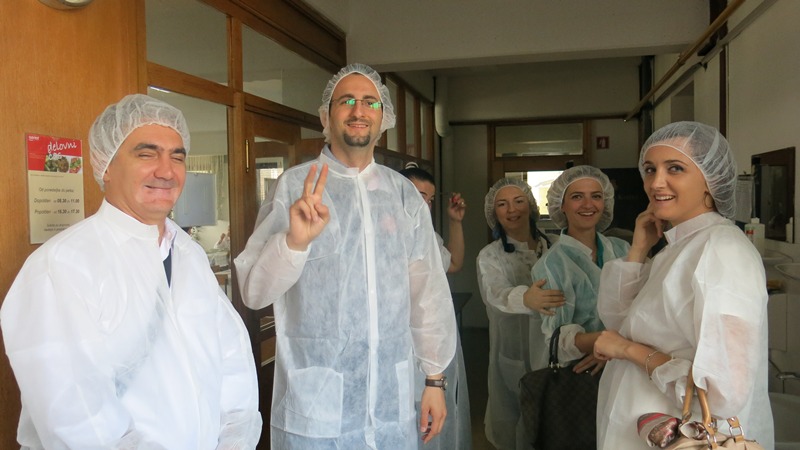
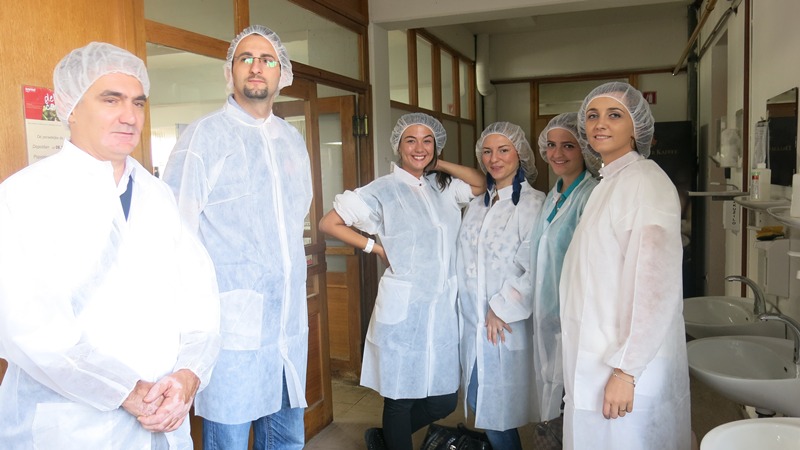
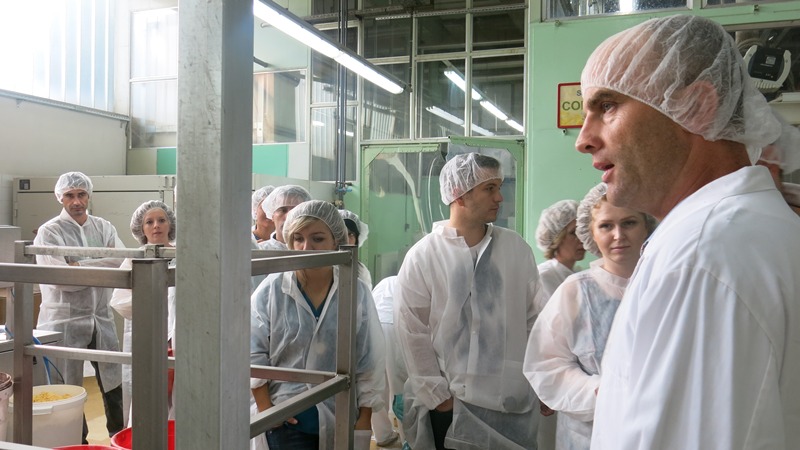
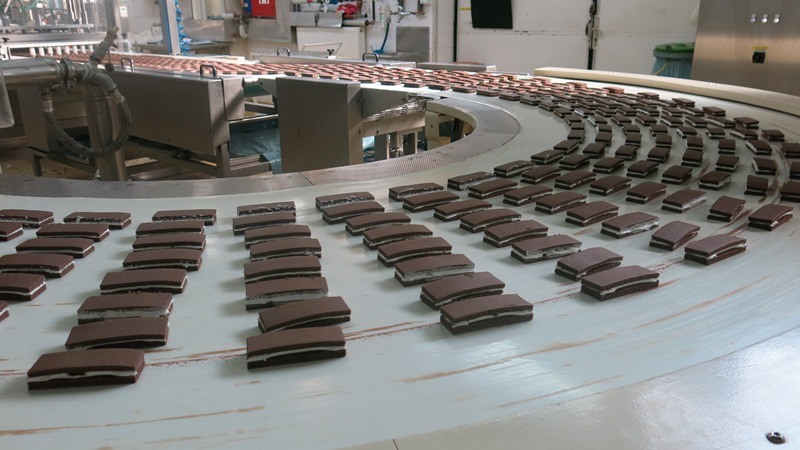
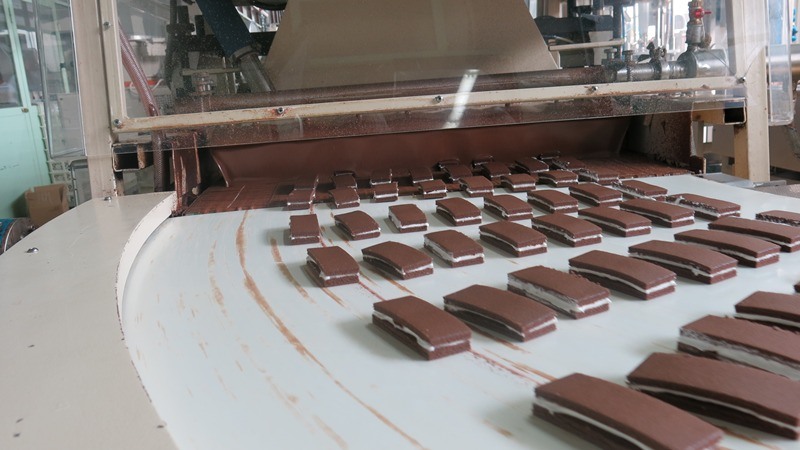
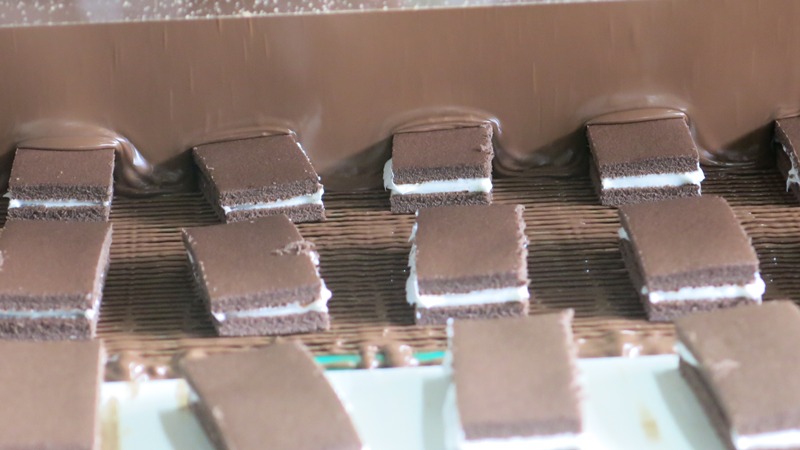
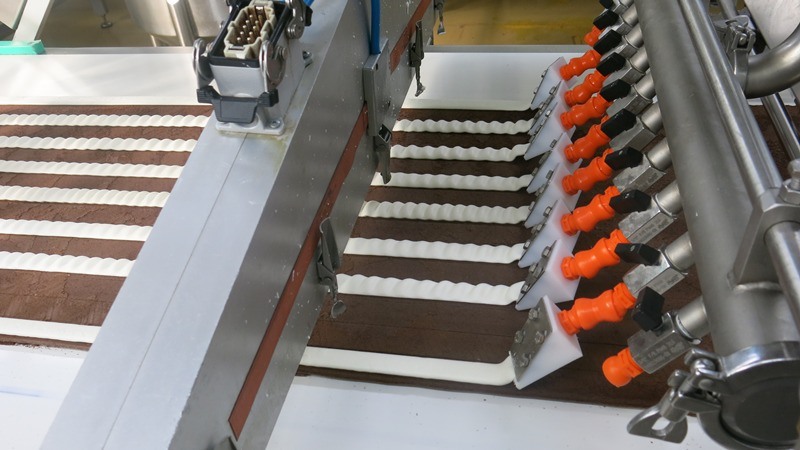
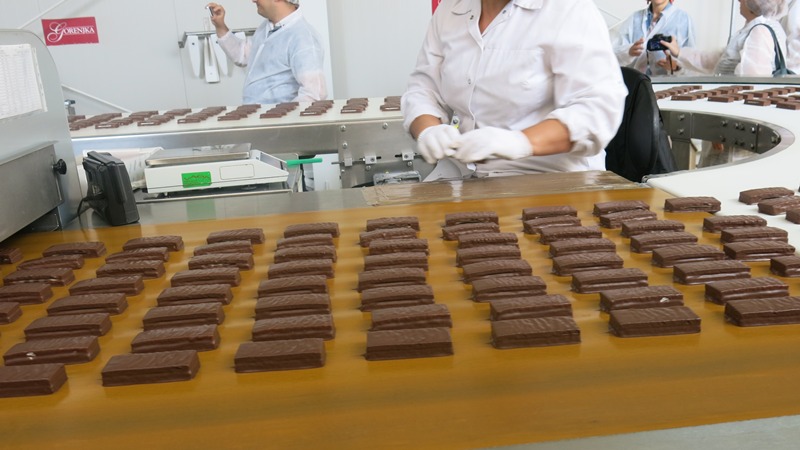
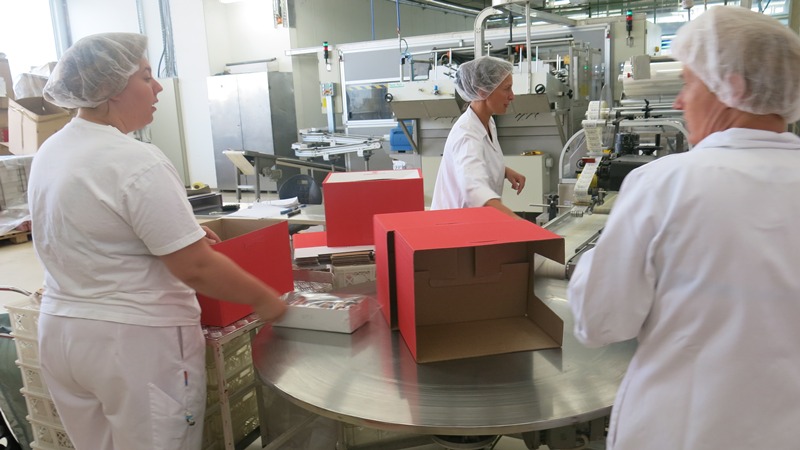
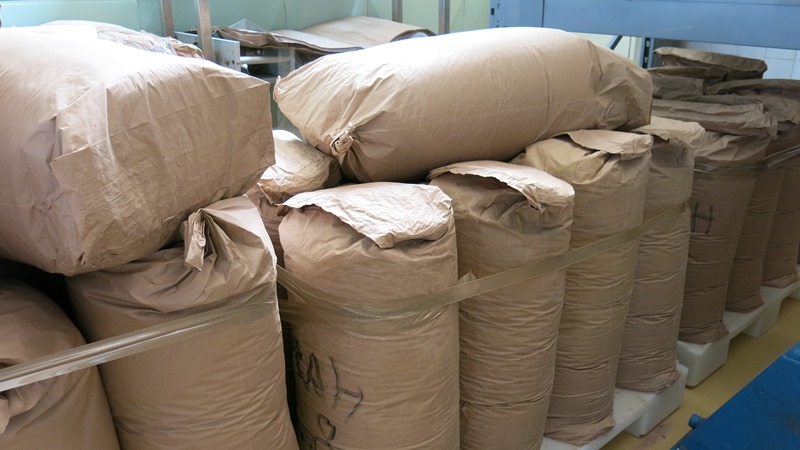
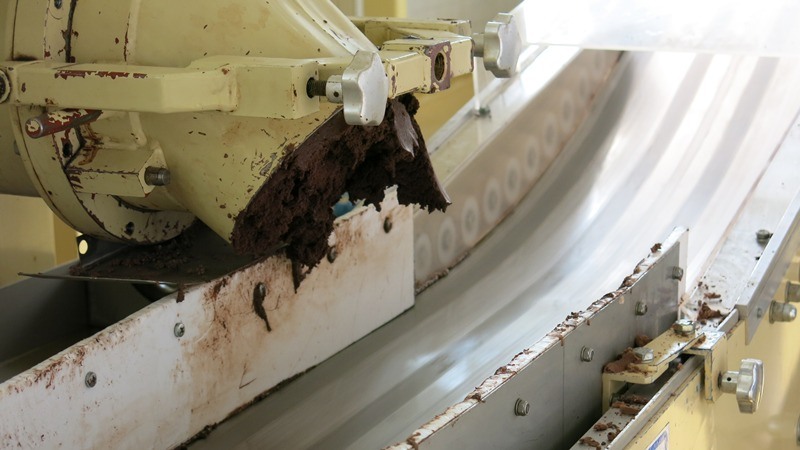
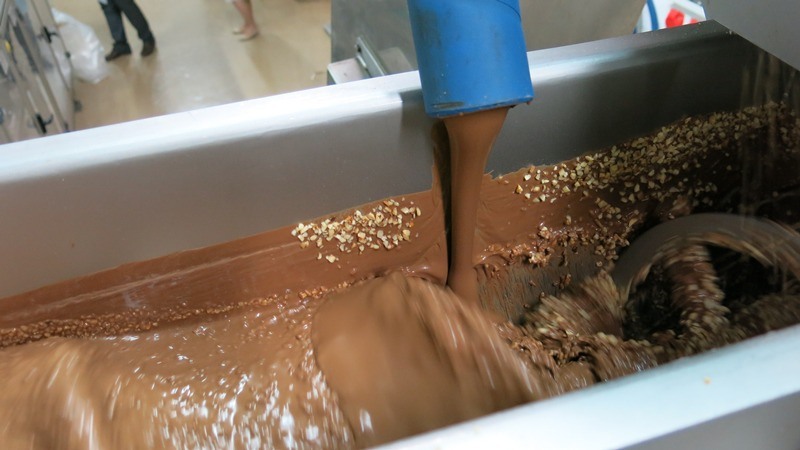
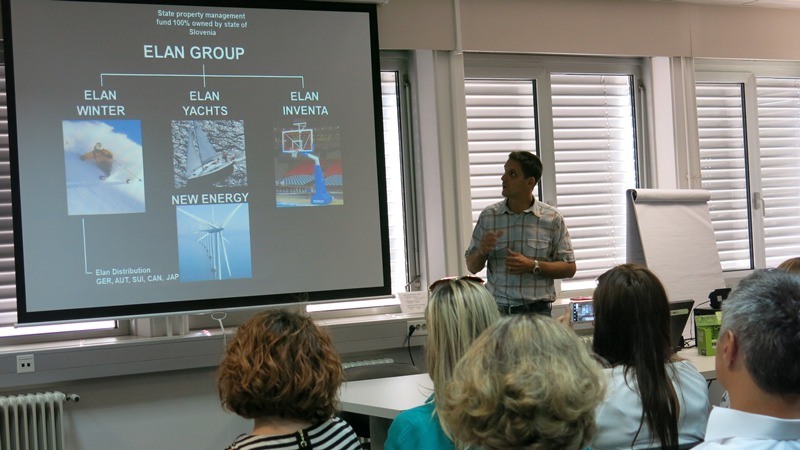
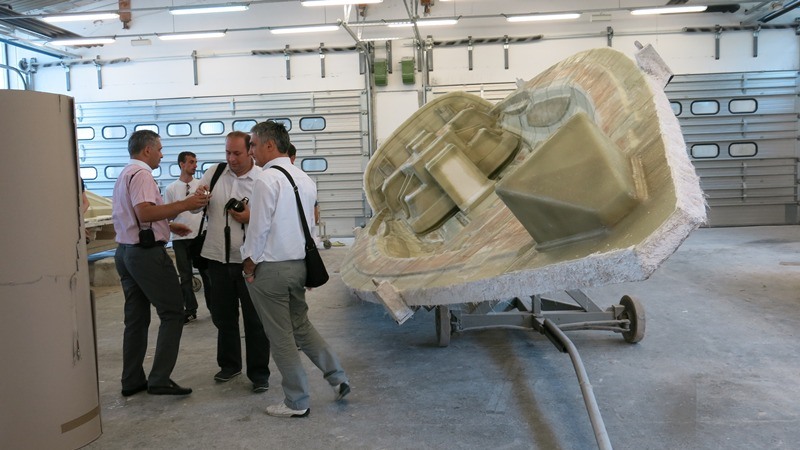
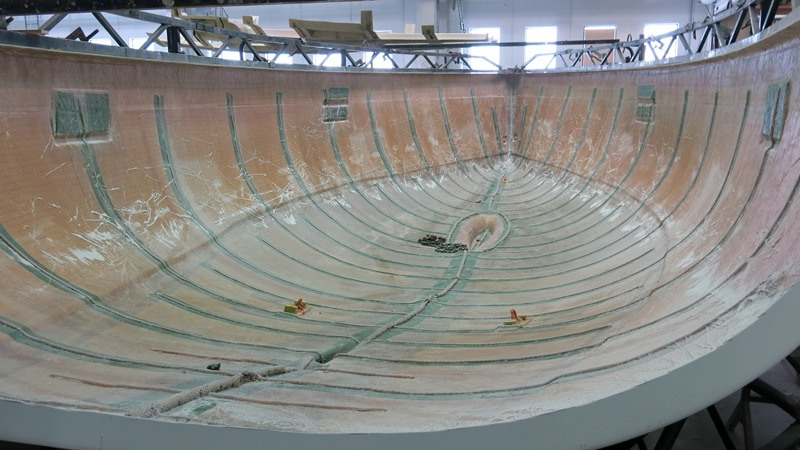
 FELU representatives introduced Slovenian business practice to their international colleagues. In the ski and chocolate factories in the Gorenjska region, a guided tour of the facilities was held, and a brief presentation of business was given. Luka Grilc , the brand and product director at Elan, presented company’s skis sales structure: “We sell 5% of our skis in the domestic market and 95 % are exported to 48 countries around the world. Our biggest markets are the U.S., Canada, Czech Republic, Central Europe and Japan”. Elan writes history of ski production thanks to its innovations and great design. Among the most notable are the carving skis, which are nowadays used in the World Cup. Marjan Pogačnik, Development Manager at Gorenjka, says that Macedonia is the strongest market of former Yugoslavia. Gorenjka chocolates are also exported to Hungary and Germany, in small quantities to Canada, Norway and the Czech Republic: “Our competition is with regard to marketing more powerful than us, so we try to compete primarily with the quality”.
“Socially responsible business to their own heritage and identity of the Slovenian nation”
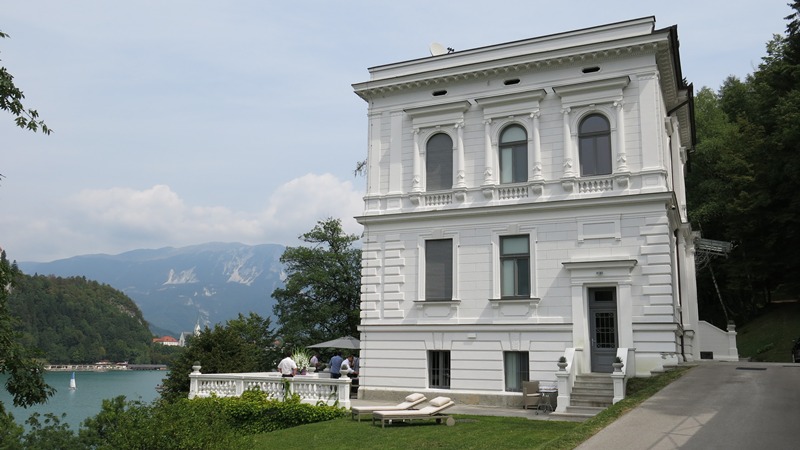
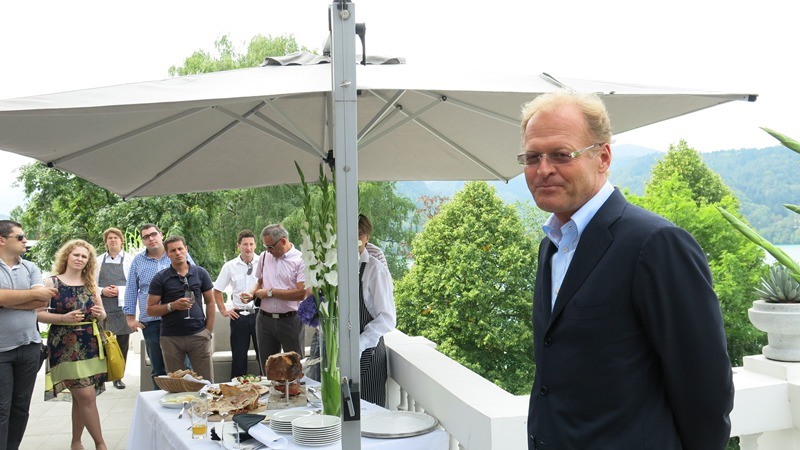
The next Slovenian world-class business story was presented by its designer. Janez Škrabec, CEO of Riko Group, addressed young businesspeople in the idyllic surroundings of his villa on the lake,” Vila Beli Dvor “. With the words “I never do anything new, I just continue with the old”, he described his motto in business. The Riko Company, wants to be recognized as “socially responsible company, especially to their own heritage and identity of the Slovenian nation”. Following the strategy, is reflected by the transformation of the homestead Hrovača into a “Home Museum”, accompanied with cultural events under the name ” Škrabčeva domačija .” Another story, also with a rich history, is “Villa Bella “, built in 1870, today Vila Beli Dvor. ” Bled is my second love. I’ve always wanted to live in Bled and in 2002 I bought this villa. Architect Boris Podrecca made a plan for its restoration, in accordance with all the rules for the preservation of Slovenian cultural heritage. Today I use this villa for private purposes of my family and for receiving our most important guests. It gives me great pleasure to host you today”, said Škrabec for the EFnews, who is also the president of the FELU Alumni Club.
“Balkanization often has negative connotation”
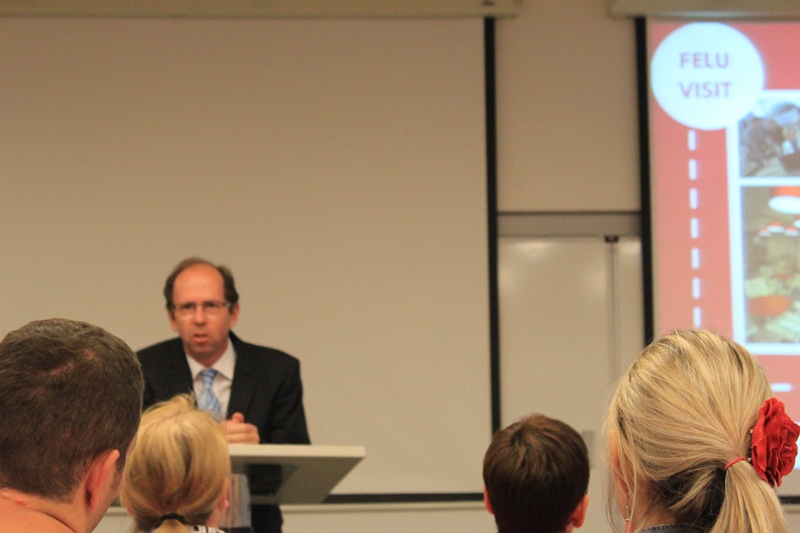
 The visit of MBA students from Macedonia and Kosovo was concluded at the FELU where the students were received by Dean, Prof Dušan Mramor, Ph.D. Opinions on the topic “Business in South East Europe” were formed at a round table, led by Prof Maja Makovec Brenčič, Ph.D., FELU Vice Dean for Development.
Verica Hadzi – Vasileva Markovska, M.Sc., partner in the consultancy firm Analysis and Advisory Group, highlighted the interpretation of the term “Balkanization”: “When used by international financial institutions, the term often has a negative connotation. SE Europe has to be treated as a specific region, because it does not have the same conditions for the rapid growth as other parts of Europe. It has the potential and can implement reforms in order to attract foreign direct investments“. Sandi Češko, co-owner of Studio Moderna, is satisfied with the business in the markets of Macedonia and Kosovo: “For us, Macedonia was one of the first markets which we entered, when we decided to expand outside Slovenia . The market has plenty of opportunities. It has a strong textile industry. Therefore we are thinking of organizing a production plant in Macedonia and taking the advantage of the capacities for our programs throughout Eastern Europe”. Benjamin Jošar, a board member of the Triglav Group, which in Macedonia has the largest market share, sees the additional potential for the market in the growth of premiums per capita, in bringing Macedonia closer to the EU and in the inflow of foreign capital: “This leads to economic growth and consequently to an increase in the demand for insurance products”. Cyril Kafol, CEO of One Macedonia, pointed out the legislative framework and government regulations that exist in the telecommunication market: “As a result, telephone frequencies in Macedonia are up to twice or even three times more expensive in comparison to the EU average”.
Their thoughts and observations on the basis of business experiences and the study at the FELU were also summarized by postgraduate students:
Vladimir Nikolov, Macedonian Telekom: “I trained for electrical engineer, but with the advancement in the field of strategic marketing, I needed additional knowledge in business studies. I recognized the opportunity at the FELU. Slovenia is a country with lot of home and foreign experiences, since it is some kind of a “regional leader” in this part of Europe, as it was in the former Yugoslavia. Therefore it seemed preferable to study economics at the FELU, rather than in Skopje or somewhere else.”
Zage Filipovski, Mission OSCE (Organization for Security and Co-operation in Europe) in Skopje: “I studied political science in Macedonia and I wanted to continue my study in America. Then I looked FELU curriculum programs and saw that it was perfectly designed. Even the study literature is the most recent, in fact, identical to those in America. I decided to study at the FELU because it offers everything that is currently topical in the world. FELU students in Skopje have the possibility to study at the global level. This is the best transfer of “know-how”. In Macedonia, we had Slovenia for an example, especially in the 90s. Today, I am a little surprised that you are in a crisis. You have an excellent Faculty of Economics that works with industry, and I do not understand why your theory does not function well in practice. In the time of transition to privatization, it would be wise to learn from the mistakes of your neighbors, rather than repeating them. “
Driton Nikaj, Factor Leasing, Kosovo (Pristina): “We, students from Kosovo and Macedonia, as well as from other countries in SE Europe, learn a lot from FELU professors. Kosovo also can learn a lot from Slovenia, especially in the area of increasing exports and reducing imports. Additional opportunities are investments. Slovenians have the knowledge, businesses and leaders. You can bring them to us and develop areas such as agricultural and financial sectors.”
Dukagjin Shylemaja, TEB, BNP Paribas Joint Venture, Kosovo (Pristina): “I decided to study finance at the FELU because I work in a bank and it helps me with my career. Actually, I’m the first generation of FELU students. Earlier I planned to come to study at the FELU in Ljubljana or Skopje, but then FELU at the right time came to Pristina. In the area of exchanging experiences, the Slovenians can provide us with the ideas of European integration, which will be very helpful for Kosovo – we are just at the beginning. We can really learn a lot – even from your mistakes, which brought you to the crisis.”
Tina Drolc, EFnews
Proofread by Živa Furlan

Image gallery:


















Related news
Publish your comment:
 Upcoming events


