Dušan Mramor: »What we have here at the Faculty of Economics I haven’t seen anywhere else.«
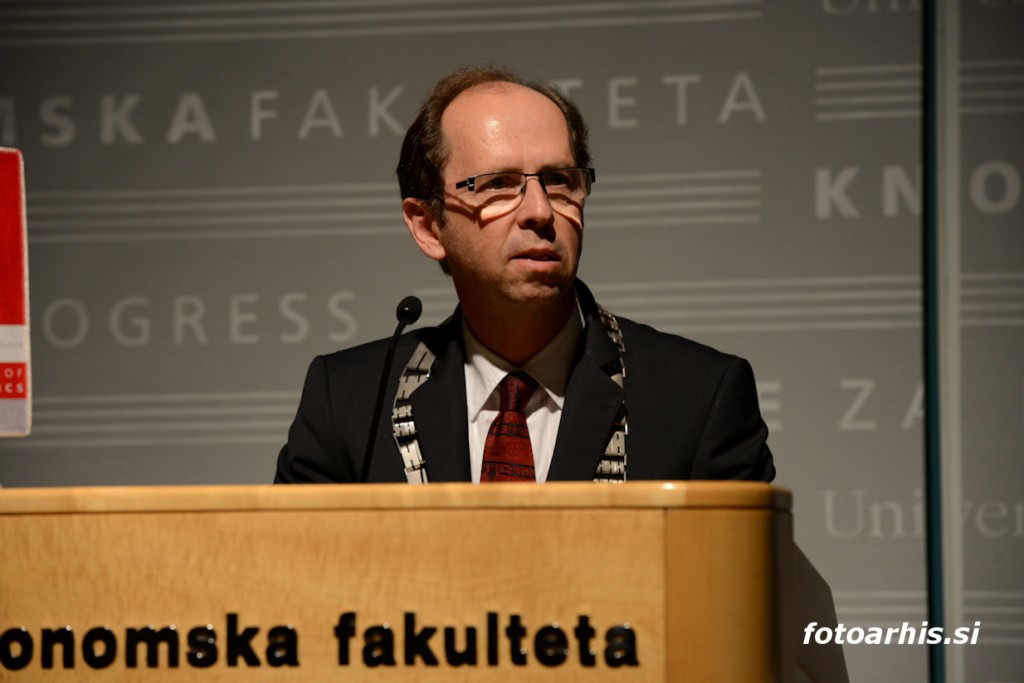
Professor Dušan Mramor has just finished his third two-year leadership mandate at the Faculty of Economics. During his mandate, the faculty significantly broadened its areas of research, cooperation with the Slovene economy and exchange programs for students as well as for professors. By receiving the European and American accreditation, it distinguished itself at the international level and thus also gained its position on academic ranking lists.
1. During your mandate, the Faculty of Economics changed a great deal, especially in the area of internationalisation. Which countries did the Faculty of Economics started to cooperate with the most and in which areas did it become most active?
First, we started to cooperate with Southeastern Europe due to the fact that we are more familiar with this region, and we became very successful there. We established new campuses in Macedonia and Kosovo, we have a joint program in Sarajevo and elsewhere. In the second phase, we became wholly globalised. We started to cooperate closely with the best schools in Western Europe and in the USA, later on also in Australia, South Africa and Asia. Recently, after the establishment of the Confucius Institute, we directed our attention towards China as well. The end result is that we became a completely global school with 189 agreements with partner institutions across all continents.
What is next?
It is crucial for the Faculty of Economics to be placed on the two most important ranking lists in the field of economic and business sciences – the Financial Times ranking and Shanghai ranking. This and to become partners with the best schools are our key goals for the upcoming years.
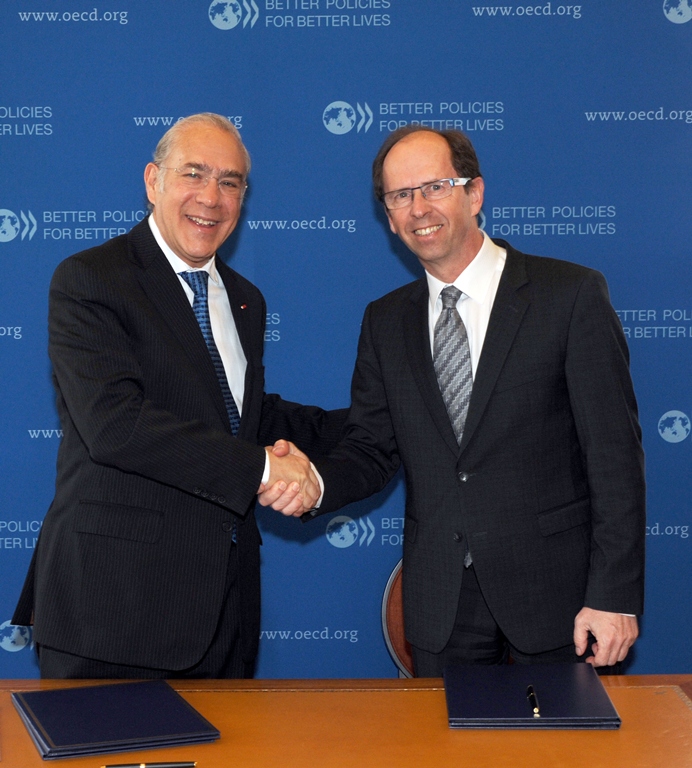 2. There was also a great increase in the number of research and professional publications. What do you ascribe to this?
In the last six years, the Faculty developed a system of research stimulations and integrated it in the work at the faculty in such a way that it brought fantastic results. There was a great increase of the publications in indexed magazines, and we became number one in the field of social sciences and humanities in Slovenia, and very competitive in the international scale. There were even more publications in the most influential magazines. The system for the motivation of our employees was essential. We also have our own journal, Economic and Business Review.
3. What is the age structure of the professors at the Faculty and what does it mean?
We are one of the youngest faculties in this field. The average age of professors is about 43 years, which is the reason for the incredible growth and development of the Faculty in the last few years. Our professors are young, extremely devoted and educated at the best universities around the world.
4. What about from the international point of view? Which foreign professors does our Faculty host and which institutions host our professors?
In spite of the rather unfortunate condition of the Slovene legislation, we found a way to attract professors from abroad. We host 84 professors and each of them performs a certain part of the educational or research process. Moreover, we also have 24 long-term agreements with professors from foreign universities and faculties, including from Harvard. They represent an important part of our educational and research process and help create it. Our professors have a chance to host at all 189 partner institutions. But not only this, the funds and the system which enable them to take part in international research conferences are very encouraging. For a short-term or long-term period, they can decide to go on an exchange to top-level faculties in the USA, Europe, South Korea, China and Australia.
5. During your mandates, quite a lot of attention was given to the pursuit of the sustainable development strategy. Which projects were the most successful?
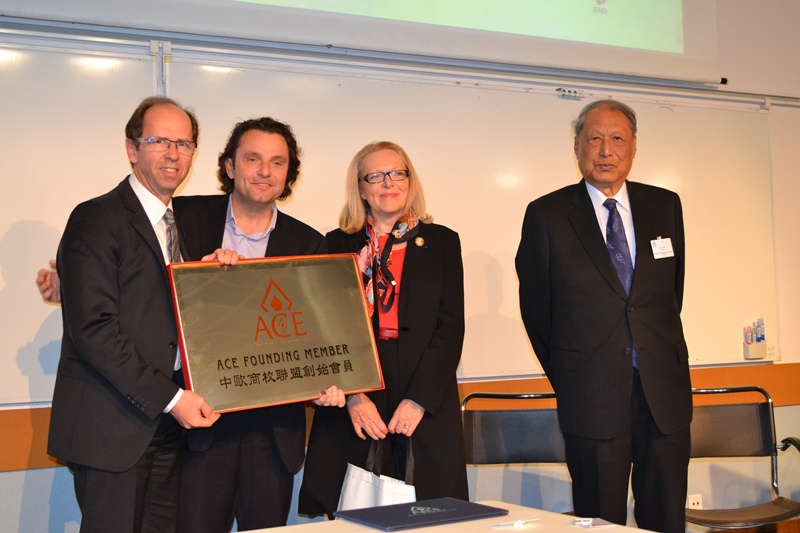 In the field of ecology, we first began our activity by establish an EKO team, which created a system of measuring and decreasing the use of energy. Later on, vast sums of money were invested in the Faculty’s building. On the roof, there we have a solar power station, in the building new automatic sliding doors were installed and we encourage people to use energy and water responsibly. This is why, we received 1.5 million euros of European funds for the project of the energetic improvement of the whole building, with expected yearly savings in the amount of 160,000 euros. If we take a little broader look at sustainable development, that is with regard to the society and companies, we adapted our study programs in such a manner that we included suitable topics in all study programs. Moreover, we took up certain research work in a way that we ourselves as well contribute to the sustainable development issue.
6. And the Faculty’s connection with the Slovene economy?
The American accreditation agency set the Faculty of Economics as an example of good relations with the economy. I also take part in American and European accreditation committees and pay visits to faculties which I review for their first accreditation or re-accreditation, and I haven’t seen anywhere else what we have here at our Faculty.
7. Beside teaching, what do you plan to do now that you have turned over this position to the new dean?
Undoubtedly, I will continue to participate in these international accreditation committees. As former dean, I have a chance to go on sabbatical, which I will do in the next semester as I would like to finish my research projects, which I was not yet able to do due to time limitations. Moreover, I would like to make some changes in the subjects which I teach. Undoubtedly, there will be some changes in the financial subjects where I am the main coordinator. We are going to update them with new teaching methods as well as with modern, alternative financial aspects.
8. In your opinion, which are the challenges that the Faculty of Economics will face in the future and what is your advice for the new dean?
The economic situation will not change over night for sure. It may even get worse for the Faculty as it is part of the public sector. Also in the legislative field, the changes are rather slow, and we have to compete with the best schools in the world, which have a much more favourable legislative environment, not to mention the financial one. These two areas presented a great challenge for us in the past, and without a doubt this will not change in the future. But I have to add that despite these obstacles we managed to place ourselves even higher on the ranking lists.
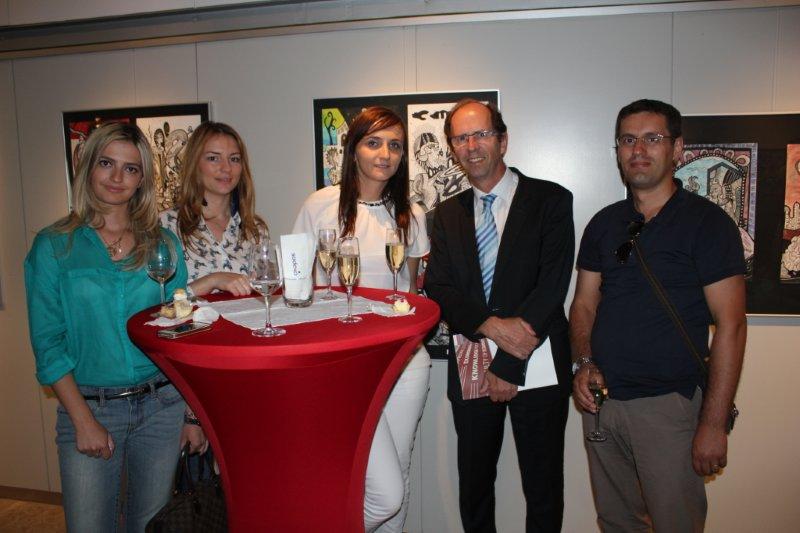 For six years, the new dean was also the deputy dean of the Faculty and also a member of the Faculty’s senate and some other boards so I doubt that she needs my advice.
9. Not long ago, we got a new chancellor of the University in Ljubljana. In your opinion, which two strategies of the University are essential?
The University in Ljubljana has a new strategy, which it uses to address those main areas which need changes and modernisation. In my opinion, two are the essential ones; the internationalisation of the whole university and the area of the professionalization of jobs, which would enable the university to function more effectively.
10. And in the end, what would you like to tell the students of the Faculty of Economics?
The way of studying at good faculties around the world changed completely. It is not merely about reading the literature, attending lectures and resuming all this in exams. The educational process also became the process of networking and orienting ourselves towards the whole world. The economic and business world is global and this is why it is essential to have a wide understanding of the world. The Faculty offers many opportunities to study at partner institutions, participate in research projects, work in student organisations and take part in conferences and discussion tables, get in touch with business people and much more. Students who beside having successfully concluded all study obligations have taken advantage of these options and gained many international and organizational experiences which they used to build their wide horizon, and are aware of the global world that surrounds them, are successful graduates.
Aleksander Brankov, EFnews
Translated by Živa Furlan, EFnews

Image gallery:
Related news
Publish your comment:
 Upcoming events


