Prof. dr. Tanja Mihalič, “The best ideas and practices are a mixture of international thinking”
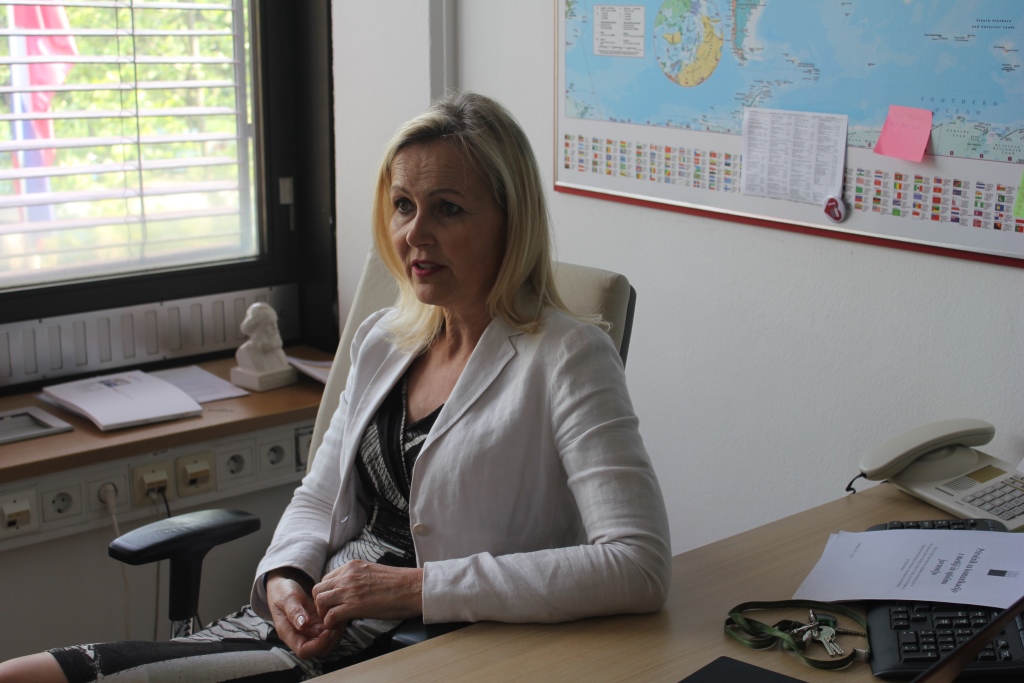
Tanja Mihalič, Ph.D., is a full professor and a regular member of the Academic Unit for Economics as well as an associate member of the Academic Unit for Management and Organisation at the FELU. Her research interests include tourism development and competitiveness and she was kind enough to pass on her wisdom
Do you think the courses at the Faculty of Economics are preparing postgraduate students for the real world?
We really want to educate future tourism leaders. So that’s our main goal and we try to teach using the Tourism Education Future Initiative (TEFI) framework. This is a system that has been developed by a group of tourism educators in cooperation with the industry and it has been used in many universities in tourism programs worldwide. The TEFI values are combining the professionalism and knowledge on the one side with the ethical issues, corporate and social responsibility issues, and sustainability on the other side. So we want our students, when they go to work in the tourism industry, to be professional and knowledgeable, but also understand softer values about stewardship, responsibility, and providing a service for the community and really implementing the changes and they will also, hopefully, have the chance to become a leader the tourism business. The idea of TEFI is to prepare students for working in the real world. Educators have realized that the world is changing so fast nowadays, so what do universities need to do to prepare for the changes that are waiting for students after their education ends? And that is where TEFI comes in. We have also tested the TEFI framework on our students and with industry and at the moment the TEFI model is a bit more progressive than the industry in terms of softer values. The students would like to see and think more about sustainability, ethics, or responsibilities than is being offered by the tourism industry. The industry is going slower in this direction because they are still prioritizing the financial business side, not the social or environmental side, which should also be taken into account.
Do you think the Faculty of Economics courses comprehensively cover ethical tourism?
There are some businessmen who would argue that the first ethical responsibility of a tourism firm is to make a profit, because this is what pays the bills at the end of the day and this also what enables them to be socially responsible, but this is a very restricted view of the corporate world and in tourism we believe that tourism as a product is specific, it is destination based, and connected with the environment, so you have to take into account not only the owners of the business or the profit, but also the interest of all the stakeholders, which includes customer satisfaction, the satisfaction and benefits of the local residents, and the environment which is also important for doing tourism, etc. And at the Faculty of Economics, we build on this idea.
What courses do postgraduate students tend to choose? Are they choosing ones that follow current trends?
We really try to follow current trends in tourism. FELU’s academic staff are very much connected to the national community, through the TEFI project and also through the connections with professors from foreign universities. At the moment on average per year we have 4-5 foreign professors from abroad that regularly teach classes, so we do have a constant exchange in terms of research, which follows the modern trend. This is a very strong advantage for the students enrolled in our program. I believe the Faculty of Economics was the first university, worldwide, that implemented the subject of sustainable tourism from the discipline of economics, already back in the mid 90’s and I believe sustainability is very popular with the postgraduate students. That is why the Faculty of Economics has always tried to be ahead of the trends in tourism.
Do you think Slovenia is taking steps to be more competitively sustainable?
The Faculty of Economics as a school is building not only on partnerships with global academia and with students, but also with the industry and public sector and there has been an amazing exchange of ideas between this faculty, the government, and national tourism organizations, so I think we have taken great steps towards more sustainable tourism in Slovenia. The change is not happening as fast as we would like. We are not able to catch up with the rest of Western Europe, because we have the mentality that is coming from the past and this is why tourism development and standards are moving so slowly in Slovenia. This is why it is so important that the programs offered by the Faculty of Economics are internationally oriented, which we ensure through our staff, which includes foreign professors, and the core staff who are teaching the tourism courses are very international. We know that the best ideas and practices are a mixture of international thinking and this is what we instill into our students here at the Faculty of Economics.
Leeanna Whirl, EFnews

Image gallery:
Related news
Publish your comment:
 Upcoming events


